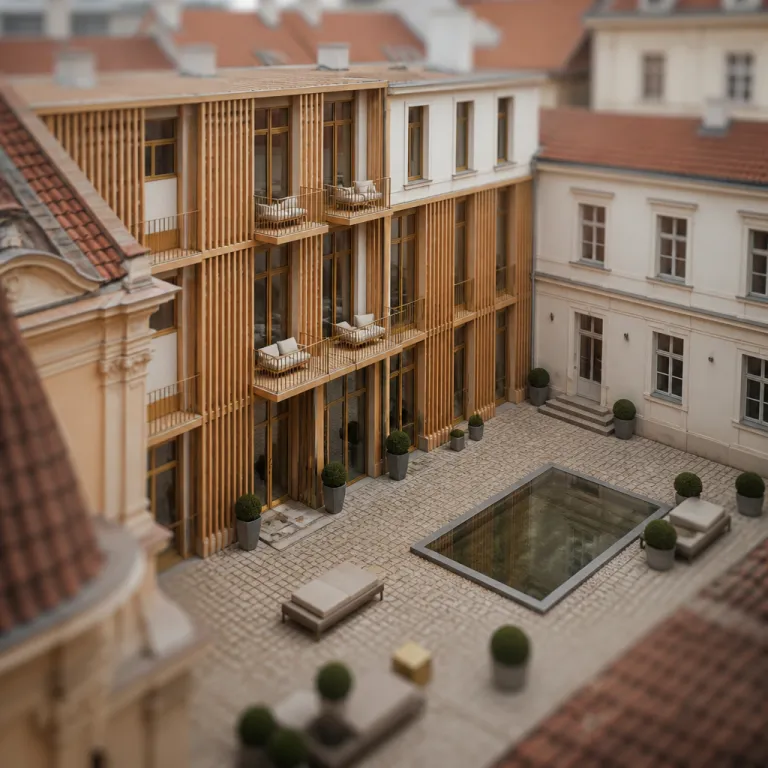
Why design hotels in Lithuania matter for style focused stays
Design hotels in Lithuania now shape how sophisticated guests experience the country. For couples who plan their travel around architecture and interiors, the hotel often becomes the primary destination rather than a simple place to sleep. When you check options across Lithuania, you quickly see how strongly design, culture and landscape are woven together.
Vilnius still offers baroque silhouettes, yet the most interesting hotels reinterpret that heritage through clean lines, local materials and curated art. The national shift toward adaptive reuse means a historic hotel can keep its original bones while presenting thoroughly modern rooms that appeal to adults who value both character and comfort. This balance defines the new generation of design hotels Lithuania now brings to the global stage, and it rewards travelers who are willing to search beyond the obvious choices.
For many readers of mylithuaniastay.com, the booking journey starts with a clear profile of what matters most. Some prioritize a lake resort with quiet views and spa rituals, while others want a city hotel in Vilnius that places them within walking distance of galleries and restaurants. Either way, the best hotels in Lithuania now compete internationally, offering thoughtful deals, meaningful benefits and a sense of community that extends beyond a single stay.
Hotel Pacai and Vilnius: baroque bones, contemporary soul
Hotel Pacai in Vilnius is the clearest expression of how design hotels in Lithuania can transform a city stay. Set in a seventeenth century palace on the Old Town’s main axis, this hotel preserves frescoes, vaulted ceilings and stone staircases while layering in sculptural lighting, Lithuanian linen and a restrained colour palette. The result feels both aristocratic and quietly urban, giving guests a privileged view into Vilnius history without sacrificing contemporary comfort.
When you check into Hotel Pacai, you immediately notice how the public spaces encourage a sense of community among design minded travelers. Couples linger in the courtyard, log impressions of their travel day over natural wine, and often join conversations sparked by the art on the walls. This is where the phrase “A hotel emphasizing unique architecture and interior design.” stops being a definition and becomes a lived experience for adults who care about aesthetics.
For travelers comparing destinations, Hotel Pacai stands comfortably beside curated properties in other European cities. If you have stayed at style driven addresses in Malta, for example, you will recognise the same attention to narrative and detail described in this curated guide to the best hotels in Malta. In Vilnius, design hotels such as Hotel Pacai also appeal to a growing international community of travel pros who value strong profile bookings, transparent offers and the ability to log travel preferences that are remembered from one visit to the next.
From Kaunas modernism to lakeside retreats: varied Lithuanian design scenes
Move west to Kaunas and the story of design hotels in Lithuania shifts from baroque to interwar modernism. Moxy Kaunas Center embraces the city’s Art Deco heritage, echoing the clean geometry of Laisvės alėja with bold colours, graphic lines and social spaces that encourage a relaxed community feel. Couples who travel here often split their profile bookings between a night or two in Vilnius and several nights in Kaunas to experience both architectural narratives.
For a different rhythm, Lithuania’s lake resort culture offers design forward calm away from the cities. Esperanza Lake Resort near Paunguriai, Lithuania, sits on the shore of a forested lake, using glass, stone and timber to frame long views of water and sky. Here, design hotels Lithuania style means floor to ceiling windows, quiet spa corridors and a focus on how light moves across the lake throughout the day.
Esperanza Lake Resort, now part of the international design hotels network, shows how Lithuanian properties can speak to a global audience without losing their sense of place. The resort’s setting near Paunguriai, Lithuania, makes it ideal for adults and children who want nature, yet still expect polished service and considered interiors. Travelers tracking new openings and renovations can follow how properties like this reshape the market through resources such as this overview of Lithuania’s hotel openings and evolving luxury landscape, which highlights how design now anchors many investment decisions.
Art, culture and sensory design: beyond the guestroom
Some of the most interesting design hotels in Lithuania use art and culture as their organising principle. In Vilnius, Artagonist operates as both hotel and gallery, with corridors and rooms that showcase Lithuanian artists in rotation. Guests effectively join a temporary community of collectors and creatives, turning each stay into a quiet immersion in the country’s culture destinations rather than a generic city break.
Elsewhere, properties such as Hotel Reja demonstrate how a nineteenth century building can be refreshed through contemporary interiors without erasing its past. Designers lean on local oak, pine and linen, using these materials to soften the transition between historic façades and modern comforts. For couples, this means you can check into a hotel that feels rooted in Lithuania’s story while still enjoying the clean lines and thoughtful lighting associated with international design hotels.
Across the country, the most successful hotels curate what some brands call originals happenings, from small concerts to architecture walks that highlight destinations originals and lesser known neighbourhoods. These experiences often appeal to adults who want more than a room key and who value the bookings benefits that come with being part of an exclusive community of repeat guests. If you are planning a longer trip, consider pairing a city stay with time at a nature focused property, using guides such as this feature on Curonian Spit eco lodges and quiet hospitality to shape a route that connects multiple culture destinations in one journey.
How to book smart: profiles, perks and community driven deals
For design conscious travelers, the way you book can be as strategic as the hotel you choose. Many design hotels in Lithuania now encourage guests to create a detailed profile before arrival, allowing teams to check preferences, note adults and children in the party and tailor amenities accordingly. When you log travel habits over several stays, you often unlock subtle bookings benefits such as preferred room types, late check out or curated local recommendations.
On platforms like mylithuaniastay.com, couples can search across multiple destinations in Lithuania, compare hotels in Vilnius, Kaunas and lake resort areas, and bookmark favourites for later. These benefits of bookmarks become clear when you are weighing a stay at Hotel Pacai against time at Esperanza Lake Resort near Paunguriai, Lithuania, or considering a smaller property that focuses on art and culture destinations. A well maintained bookmarks log effectively becomes your personal design hotels Lithuania shortlist, making it easier to track offers, refine dates and align deal arrivals with your calendar.
Some booking communities also reward loyal guests through what might be framed as a community deal or exclusive community rate. When you join a curated travel community, you may receive a discreet promo code, early access to seasonal offers or invitations to originals happenings at selected destinations originals. For frequent travelers and travel pros alike, these profile bookings and community benefits can turn a one off stay into a longer term relationship with Lithuania’s most interesting design hotels.
FAQ
What defines a design focused hotel in Lithuania ?
In Lithuania, a design focused hotel is defined by architecture, interiors and a clear conceptual identity rather than by size or star rating. Properties such as Hotel Pacai, Moxy Kaunas Center and Esperanza Lake Resort all prioritise strong visual narratives, local materials and curated art. As one reference puts it, “A hotel emphasizing unique architecture and interior design.” captures the core idea that design is central, not decorative.
Are Lithuanian design hotels suitable for families with children ?
Many design hotels in Lithuania welcome families and provide amenities for adults and children travelling together. Lakeside properties such as Esperanza Lake Resort near Paunguriai, Lithuania, are particularly well suited, with outdoor activities, generous rooms and flexible dining. City hotels in Vilnius and Kaunas may offer connecting rooms or sofa beds, so always check specific configurations before you book.
How far in advance should I book popular design hotels ?
For peak summer and major holidays, it is wise to secure your preferred hotel several months ahead. Design hotels in Lithuania often have fewer rooms than large chain properties, so availability can tighten quickly in Vilnius Old Town or at sought after lake resort addresses. Using a profile and bookmarks log on a specialist platform helps you track deal arrivals and react quickly when attractive offers appear.
Do these hotels usually serve Lithuanian cuisine in their restaurants ?
Most leading design hotels in Lithuania feature restaurants that highlight local ingredients and reinterpret traditional dishes. In Vilnius and Kaunas, chefs often play with classics such as cold beet soup, rye bread and lake fish in contemporary presentations. At rural properties, menus tend to follow the seasons closely, reflecting forest, field and lake produce from the surrounding region.
Is it better to stay in one city or combine several destinations ?
Design minded travelers usually gain more by combining several destinations in a single trip. A balanced itinerary might include a few nights at Hotel Pacai in Vilnius, time in Kaunas to experience interwar modernism and several days at a lake resort such as Esperanza Lake Resort. This approach reveals how varied design hotels Lithuania options can be, and it allows you to experience both culture destinations and quieter natural settings.