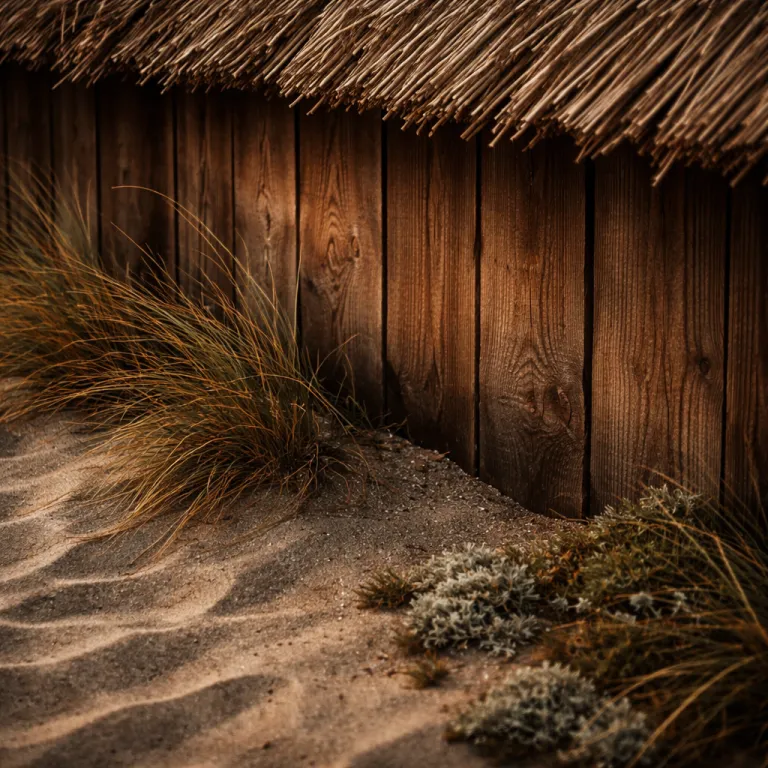
Eco lodges on the Curonian Spit: what “eco” really means
On the Curonian Spit, the idea of an eco lodge is shaped by strict protection rules rather than marketing whim. The Curonian landscape is a narrow 98 kilometre sand barrier between the Baltic Sea and the Curonian Lagoon, and every new bed added here must answer to the Curonian Spit National Park administration and UNESCO World Heritage obligations. This spit in Lithuania is not a place for sprawling resorts; instead, Curonian Spit eco lodges tend to be small scale, often family run, and woven into existing villages such as Nida, Preila or Juodkrantė.
The area is recognised as a UNESCO site because of its fragile sand dunes and cultural landscape, and that status quietly dictates what you see when you arrive. Building height, façade colours, even how a sand dune path is stabilised with pine branches are regulated by the national park authority and the Neringa municipality, following published planning rules and management plans that are publicly available through local government and park information centres. When you book on a luxury focused platform, you are essentially choosing between properties that have already passed layers of environmental and heritage checks, although the depth of their eco practices still varies widely across the Curonian Spit.
True Curonian Spit eco lodges go beyond energy efficient windows and a token recycling bin. They use sustainable building materials, integrate solar panels and rainwater harvesting where feasible, and often sit within or beside pine forests that are actively managed to stabilise the dunes. Some, like Preilos Namai in Preila, Lithuania, combine traditional fishermen’s house silhouettes with modern insulation and eco friendly amenities, and report using renewable electricity for the majority of their annual consumption, while others on the Russian side in the Kaliningrad Oblast, such as Ecolodge Zen House, operate under a different regional framework but still lean into low impact design. When you compare options, look for transparent information about waste reduction, water use and how the property supports local Lithuanian communities, not just generic green labels scattered through marketing articles or booking descriptions.
Two faces of comfort: restored fishermen’s houses and timber lodges
Most high end stays in Nida, Juodkrantė and Preila fall into two clear families. On one side you have restored fishermen’s houses, painted in the traditional Lithuanian blue and red palette, facing either the Curonian Lagoon or the Baltic Sea with low sloping roofs and carved gables that echo the days when Thomas Mann summered in Nida, Lithuania. On the other side stand contemporary timber lodges, often tucked behind the first line of dunes or in pine forests, with floor to ceiling glass and clean lines that appeal to design minded couples who might also be considering other elegant coastal stays but ultimately choose the quieter rhythm of the Curonian Spit.
Restored houses in Nida and the smaller hamlet near Juodkrantė usually sit right along the lagoon side promenade, where fishing boats still leave at dawn and smoked Curonian fish is sold from simple sheds. These properties suit travellers who want to feel the rhythm of village life, step out for a morning walk along the Spit shoreline, and watch the light change over the Curonian Lagoon without leaving their terrace. Interiors vary from rustic to quietly luxurious, but the best renovations respect the original timber structure while adding underfloor heating, high quality linens and thoughtful touches such as locally made ceramics rather than generic décor pieces, often sourced from artisans in Klaipėda or Neringa municipality.
Modern timber lodges, by contrast, tend to be set slightly back from the water, often between the main road and the Baltic Sea dunes, where pine trees filter the wind. Here you will find larger glass surfaces, more open plan layouts and sometimes spa facilities that echo the wellness forward approach seen across Lithuania’s emerging luxury scene. For couples, these lodges can feel more private and cocooning, especially outside peak season when the Curonian Spit National Park is quiet and the only sound at night is the Baltic Sea rolling over the sand. When browsing Curonian Spit eco lodges online, use photos, floor plans and guest reviews to decide whether you want the intimacy of a historic façade or the clean geometry of a new build; both can be sustainable when done with care and when owners clearly describe their environmental measures.
Seasonality, quiet luxury and when to book your stay
Many travellers assume summer is the obvious time to visit the Curonian Spit, but that is precisely when the narrow road from Klaipėda to Nida clogs with cars and the beaches fill with day trippers. If you are seeking the quiet hospitality that Curonian Spit eco lodges promise, look instead to late spring or early autumn, when the Baltic light is softer, the sand dunes are less trampled and the pine forests release a resinous scent after rain. During these shoulder seasons, the Neringa municipality also feels more local, with residents reclaiming the promenades and cafés along the lagoon side.
Access is part of the charm and the filter. You reach the Lithuanian side of the Curonian Spit via a short ferry from Klaipėda, then drive or take a bus along the single spine road that threads through Smiltynė, Juodkrantė, Pervalka, Preila and finally Nida. Cars are restricted in peak periods, parking is tightly controlled by the municipality, and this transport choreography is one reason the Spit’s UNESCO status has not been overwhelmed by mass tourism. For couples used to seamless luxury, it pays to book both ferry slots and accommodation early, especially if you want a specific room type facing either the Baltic Sea or the Curonian Lagoon.
Pairing the Spit with a stay in Vilnius or Druskininkai creates a balanced Lithuanian itinerary that combines city culture, spa wellness and coastal nature. Many readers start with two or three nights in the capital, using guides such as Lithuania’s award winning wellness destination features on MyLithuaniaStay to structure their urban time, then add three or four nights in Nida or Preila for a slower rhythm. This split allows you to enjoy the national park trails, climb the Parnidis dune above Nida when it is almost empty, and still have time for long dinners featuring smoked Curonian fish without feeling rushed. For those curious about the Russian side of the Spit in the Kaliningrad Oblast, remember that border formalities and different regulations apply, so factor that into your planning if you wish to compare both sides of this shared heritage site.
Reading the green labels: real sustainability versus marketing
Not every property that uses the word eco on the Curonian Spit lives up to it, and this is where a careful edit travellers make can significantly improve their stay. Some guesthouses and lodges rely on the national park setting and the UNESCO heritage label to imply sustainability, while their operations remain conventional, with single use plastics, minimal waste separation and little engagement with local Lithuanian suppliers. Others, such as Preilos Namai, have embedded energy efficient systems, solar panels and rainwater harvesting into their design, reporting clear reductions in energy use while hosting guests each year, and sharing approximate figures or percentage savings in their own sustainability notes.
When assessing Curonian Spit eco lodges, look beyond the headline claims and into the operational details. Do they mention specific methods such as sustainable building materials, eco friendly amenities and partnerships with local communities or environmental organisations in Neringa municipality? Are there clear references to supporting traditional fishermen, for example by serving locally caught fish from the Curonian Lagoon, or to maintaining paths across sand dunes in cooperation with the national park authorities? Properties that publish such information, even in short sustainability statements on their own websites, tend to be more transparent and accountable and make it easier for travellers to verify claims.
The UNESCO heritage framework also shapes what can and cannot be done, especially around sensitive areas like the Parnidis dune near Nida and the moving sand dunes closer to the border with Kaliningrad Oblast, Russia. Large scale spa complexes on the dune ridge are off the table, but small wellness corners, saunas and yoga decks tucked into pine groves are possible when designed with low impact materials. As one local information sheet distributed in visitor centres puts it succinctly, “What is the Curonian Spit? A 98 km long sand-dune spit separating the Curonian Lagoon from the Baltic Sea. Why is the Curonian Spit a UNESCO site? Recognized for its unique cultural landscape and natural beauty. What activities are available at eco lodges? Hiking, bird watching, and cultural tours.” For couples, this means your luxury is defined less by marble lobbies and more by silence, clean air and the ability to walk from your door straight into a protected landscape.
Insider experiences: from smoked fish to cross border perspectives
Staying on the Curonian Spit is as much about sensory detail as it is about room categories. One of the most memorable tastes is smoked Curonian fish, usually bream or eel, served still warm on wooden boards in Nida or Juodkrantė, often paired with dark Lithuanian bread and sharp pickles. The best Curonian Spit eco lodges will either serve this directly or point you to specific smokehouses along the lagoon side, where the process is still done in small kilns rather than industrial facilities.
From a regional perspective, the Spit is shared between Lithuania and Russia, with the southern section forming part of the Kaliningrad Oblast and the northern section administered by Neringa municipality. This geopolitical split has created two different hospitality ecosystems, with Lithuanian villages like Nida and Juodkrantė leaning into small scale guesthouses and eco lodges, while the Russian side around Morskoye and Rybachy has its own mix of lodgings such as Ecolodge Zen House. For travellers, the contrast can be fascinating, but it requires visas, border crossings and a willingness to navigate Kaliningrad Oblast regulations that differ from those on the Lithuanian side.
Back on the Lithuanian stretch, daily life orbits around the elements that define this national park: wind, sand, pine and water. You might start a morning with a walk through pine forests above Nida, climb the Parnidis dune to watch the Baltic Sea on one side and the Curonian Lagoon on the other, then cycle back along the paved path that links the villages. In the evening, return to your lodge for a sauna session, a glass of local white wine and perhaps a quiet read of curated travel articles that help you plan your next Baltic stop. The luxury here is subtle but real; it lies in time, space and the feeling that this narrow Spit between sea and lagoon is holding its line against both erosion and overdevelopment.
FAQ
What is the Curonian Spit and why is it special for eco lodges?
The Curonian Spit is a 98 kilometre long sand formation separating the Curonian Lagoon from the Baltic Sea, shared between Lithuania and the Kaliningrad Oblast of Russia. Its UNESCO World Heritage status protects both the natural dunes and the cultural landscape of fishing villages, which limits large scale construction. This framework makes it an ideal setting for small, carefully designed eco lodges that operate within strict environmental rules.
How do I reach eco lodges on the Lithuanian side of the Curonian Spit?
To reach eco lodges on the Lithuanian side, you travel first to Klaipėda on the mainland, then take a short ferry across to Smiltynė on the Spit. From there, a single road runs south through Juodkrantė, Pervalka, Preila and Nida, with buses and private cars allowed under regulated conditions. Many travellers leave their car in Klaipėda and rely on local buses, bicycles and walking to reduce impact within the national park.
What should I look for when choosing a genuine eco lodge on the Curonian Spit?
A genuine eco lodge on the Curonian Spit will usually detail its use of sustainable building materials, energy efficient systems and waste reduction practices. Look for mentions of solar panels, rainwater harvesting, partnerships with local communities and clear support for conservation projects in Neringa municipality. Transparent communication about these measures is a stronger indicator of real sustainability than generic green labels.
When is the best time to stay on the Curonian Spit for a quiet experience?
The quietest and most atmospheric periods on the Curonian Spit are late spring and early autumn, outside the peak summer holiday season. During these shoulder months, the beaches and dunes are less crowded, accommodation prices are often more favourable and the villages of Nida and Juodkrantė feel more local. Winter can also be beautiful but brings limited services and requires more preparation for cold, windy conditions.
Can I visit both the Lithuanian and Russian sides of the Curonian Spit in one trip?
It is possible to visit both the Lithuanian and Russian sections of the Curonian Spit in a single journey, but it requires careful planning. Travellers must handle visa requirements and border formalities for entry into the Kaliningrad Oblast, and transport connections between the two sides are not seamless. For most visitors focused on eco lodges and easy logistics, staying on the Lithuanian side around Nida, Juodkrantė and Preila is the more straightforward option.