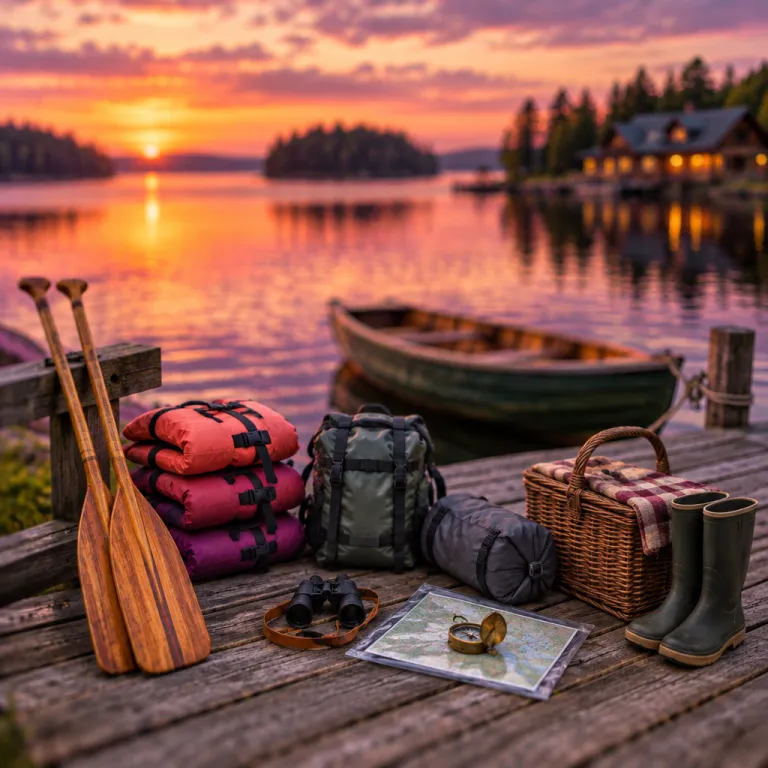
Why aukštaitija national park lithuania belongs on your family itinerary
Aukštaitija National Park in northeastern Lithuania, about 110 km north of Vilnius, is where families trade city noise for quiet lakes and pine forests. This oldest national park in the country stretches across roughly 405 km², with more than 70 percent covered by woodland and 126 interconnected lakes that feel made for slow Baltic summers. For premium travelers used to polished resorts in the United States or Western Europe, this corner of Lithuania is about understated comfort, clean air and a rhythm shaped by water, woods and village life rather than formal luxury.
The wider region of Aukštaitija, sometimes written without diacritics as Aukstaitija in older maps, lies in the east of the country, and the protected area sits between the small town of Ignalina and the lakeside village of Palūšė (approx. 55.3400° N, 26.1000° E). Families usually base themselves in lakeside guesthouses or small eco-lodges rather than classic luxury hotels, then use a rental car or bicycles to reach trails, beaches and viewpoints scattered across the forests-and-lakes landscape. This is Lithuania’s Aukštaitija at its most authentic, where a travel guide is less about shopping streets and more about which lake has the best evening light and which pier catches the last sun.
For a luxury and premium hotel booking mindset, this national park works best as the nature chapter in a wider Baltic itinerary that might also include Vilnius and the Curonian Spit. You might spend a few nights in a top design hotel in the capital, then drive north east for around two hours to reach the park, trading rooftop bars for fire pits and sauna decks beside still lakes. Think of it as a reset button for families, where the real upgrade is space, silence and the feeling that your children can roam safely between water, woods and a friendly village pier while you watch from a terrace with a blanket and a book.
Planning your stay around ignalina and palūšė
Most families approach Aukštaitija from Vilnius, driving north east on good roads and arriving in about two hours, depending on traffic. The park administration is based near Ignalina, a small town that anchors the region with supermarkets, pharmacies and a railway connection that links to Vilnius and other parts of Lithuania north and south. If you prefer to avoid driving, public transport by train to Ignalina followed by a short taxi ride of roughly 7–10 km to Palūšė works smoothly for independent travelers and keeps logistics straightforward.
Palūšė itself is a small village on the shore of Lake Lūšiai, and it functions as the social heart of Aukštaitija National Park in summer. Here you will find a visitor center, simple cafés, canoe rentals and several lakeside guesthouses that suit premium families who value setting over marble lobbies. The official information desk doubles as a travel guide hub, where staff outline hiking options, boat rentals and eco-tour operators, and where “What activities are available?” and “Is the park suitable for children?” are answered with reassuring detail, opening hours and printed maps.
For families used to curated itineraries, it helps to frame Ignalina–Palūšė as your practical base and the surrounding lakes as your playground. You might book a refined hotel in Vilnius for the first nights of your Lithuania trip, then follow a peak summer in Lithuania family itinerary from Vilnius to the Curonian Spit and onward to Aukštaitija for the lake district finale. In this national park, luxury is measured in how close your terrace sits to the water, how quickly children can reach a safe swimming pier and how easily you can step from breakfast to a forest trail without touching a car key or checking a schedule.
Trails, lakes and viewpoints for every age
The core promise of Aukštaitija National Park is simple: lakes, forests and trails that work for mixed age groups. Well-marked hiking routes loop through pine woods and along shorelines, with shorter circuits near Palūšė and longer trail networks closer to the north and east of the protected area. Families can choose between gentle one-hour walks suitable for younger children and more ambitious day hikes that link several lakes and villages, often starting from clearly signed parking areas.
Ladakalnis Hill is the signature viewpoint of this national park, and it deserves a place on any travel guide for Lithuania’s lake district. A short but steep trail of around 0.5 km leads through birch and pine to a grassy summit at roughly 55.3450° N, 26.1200° E, where an open panorama reveals six lakes stitched together by forest and sky, and where older children love spotting canoes as tiny specks below. Nearby, an observation tower near Ginučiai village (approx. 55.3500° N, 26.1300° E) rises above the tree line, giving a different angle on the same forest-and-lake mosaic and offering a satisfying reward for families who enjoy climbing stairs together and taking photos at the top.
Water is the other constant, and choosing the right lake matters for families. Lake Tauragnas, the deepest lake in Lithuania at about 60 meters, feels wild and elemental, better suited to confident swimmers and older children who respect cold water and shifting depths. For younger families, the lakes around Palūšė and the bays near the Curonian Spit eco lodges on the coast show how Lithuania balances protected nature with gentle access, and in Aukštaitija similar shallow beaches and piers create safe entries into the water while still feeling part of a national park rather than a resort pool complex.
Seasonal experiences, from wild swimming to winter stillness
Timing your visit to Aukštaitija National Park shapes the experience as much as your choice of accommodation. From June to early autumn, Lithuanians embrace a wild swimming culture, slipping into lakes before breakfast and after dinner, and teaching children to read water, weather and wind rather than pool rules. Marked beaches near Palūšė and other popular lakes provide piers, changing cabins and sometimes lifeguards in peak season, while more remote lakes remain unsupervised and better suited to confident adults who are used to open-water conditions.
Summer and early autumn also bring berry and mushroom foraging into focus, turning simple hikes into treasure hunts for children. Bilberries, wild strawberries and chanterelles line many a forest trail, and local guides often include foraging stops in family-friendly hiking or cycling routes, with clear explanations about what is safe to pick and what should be left alone. This is where eco tourism and cultural heritage intersect, because Lithuanian kids grow up learning these skills, and families from the United States or other Baltic neighbors often find the ritual as memorable as any observation tower view or lakeside sunset.
Winter in this national park is quieter but no less atmospheric, especially for families who enjoy snow sports and crisp air. Frozen lakes, snow-dusted pines and short daylight hours create a slower rhythm, with cross-country skiing and winter hiking replacing canoeing and paddleboarding, and with evenings spent around fireplaces in small guesthouses. If your broader Lithuania itinerary includes events such as a music lovers guide to Vilnius festivals, consider pairing that urban energy with a few winter nights in Aukštaitija, where silence and starlight feel like the most exclusive amenities in the country and where clear skies often reveal a surprising number of stars.
Cultural layers: villages, ancient beekeeping and practical travel tips
Beyond lakes and forests, Aukštaitija National Park holds a quiet cultural story that rewards curious families. Traditional wooden homesteads dot the landscape, and villages such as Ginūčiai (around 55.3520° N, 26.1400° E) show how rural life has adapted to national park status without losing its character. Here, a small watermill museum and nearby trails make it easy to combine a short hike with a gentle history lesson and a café stop, and many parents appreciate having a clear destination to motivate younger walkers.
The region is also known for ancient beekeeping traditions, visible in old-style hives and ethnographic farmsteads that sometimes open to visitors during the main season. These sites, often reached by a short trail through fields or forest, help children connect the dots between wildflower meadows, bees and the honey on their breakfast table. Local tour guides, working with the Aukštaitija National Park Administration and visitor center teams, often weave these stories into eco tourism and cultural heritage tours, and they rely on simple tools such as maps, guided walks and rental equipment to keep things accessible for non-Lithuanian-speaking families.
Practical travel tips matter in a landscape where infrastructure is discreet rather than flashy. Wear comfortable clothing, bring insect repellent for summer evenings near lakes and check weather forecasts daily, because Baltic conditions can shift quickly between sun and showers. When you combine these basics with thoughtful hotel choices elsewhere in Lithuania, from Vilnius design addresses to quiet coastal stays that echo the Curonian Spit eco lodges philosophy, Aukštaitija becomes the grounding middle chapter of a family journey that feels both premium and genuinely local, especially when you allow at least two or three nights for the area.
FAQ
Is aukštaitija national park lithuania suitable for young children?
The park is well suited to young children, thanks to short hiking trails, shallow lake entries near Palūšė and family-friendly guesthouses that understand early bedtimes and flexible meal times. Marked swimming areas and clear signage help parents manage safety, while the compact scale of villages and paths keeps daily logistics simple. Many families use strollers on wider paths near the lakes and switch to carriers for forest sections where roots and sand make wheels less practical.
Do we need a car to explore the national park?
A car offers the most flexibility for reaching trailheads, viewpoints and smaller lakes, especially if you want to visit Ginūčiai or Ladakalnis Hill at quieter times. Public transport by train to Ignalina and local taxis to Palūšė work well if you plan to stay mostly around the main lake cluster and use rental bikes or boats. For families who value spontaneity and multiple swims per day in different lakes, a rental car remains the most practical choice and allows you to adjust plans quickly if the weather changes.
What activities can families expect in aukštaitija national park lithuania?
Families can hike, kayak, canoe, paddleboard, cycle and swim across a network of lakes and forest trails. Educational tours run by local guides and the visitor center introduce children to wildlife, ancient beekeeping traditions and village history in an engaging way. As the park administration notes, “Hiking, kayaking, cycling, and educational tours.” are all part of the core offer for visitors, and many operators are used to tailoring routes to different ages and energy levels.
When is the best season to visit with children?
Late spring to early autumn offers the broadest range of activities, from wild swimming and canoeing to berry foraging and long evening walks. Water temperatures in the lakes are most comfortable in mid-summer, when local families from across Lithuania north and south converge on the region for holidays. Winter appeals to families who enjoy snow, quiet landscapes and cross-country skiing, but requires warmer clothing and more flexible plans in case trails or smaller roads become icy.
What level of comfort can we expect from accommodation near the park?
Accommodation around the park ranges from simple guesthouses to polished eco lodges, with an emphasis on natural settings rather than formal luxury. Rooms are usually clean and comfortable, often with lake views, saunas and direct access to swimming piers or forest paths. For classic five-star services, many families pair a stay here with premium hotels in Vilnius or on the coast, using Aukštaitija as the nature-focused segment of their Lithuanian journey and treating the park as a place to slow down rather than rush through.