Why sustainable hotels in Lithuania feel different
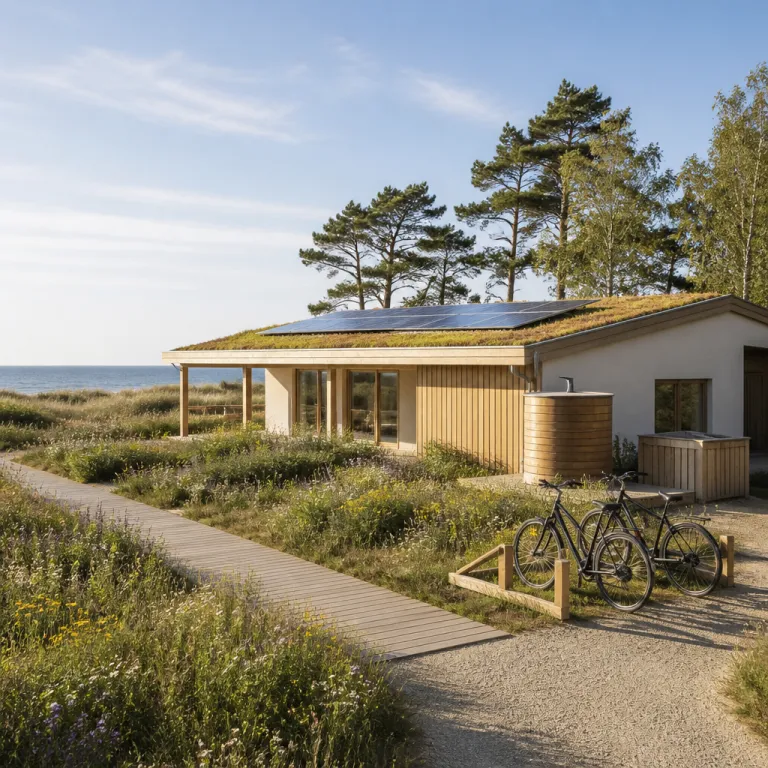
In Lithuania, eco-conscious hotels are shaped by forests, mineral water and a wellness philosophy called sveikatingumas. Many luxury hotel owners talk less about slogans and more about how their buildings sit in the landscape, how much water they draw, and how quietly they can return it clean to the soil. For guests used to corporate sustainability reports, the reality in Lithuanian accommodation often feels calmer, more local and surprisingly rigorous.
The country is roughly one third forest, according to Lithuania’s State Forest Service, so many green-minded hotels stand within walking distance of pine trails rather than on a private island with manicured lawns. Properties lean into this natural abundance with eco friendly spa rituals, forest bathing sessions and menus that treat local food as a cultural duty, not a marketing angle. When you book a hotel in Vilnius city or in spa towns like Druskininkai, you are often booking direct access to nature rather than a fenced off resort compound.
This context explains why sustainability here goes beyond a simple recycling program or a few green signs in bathrooms. Lithuanian hoteliers increasingly invest in renewable energy, efficient air conditioning systems and low impact building materials, because energy prices and guest expectations both demand it. A growing number of properties now hold the Green Key eco label, and that shift is reshaping what premium hotels in Lithuania can offer to eco conscious guests without sacrificing comfort or style. Always check the latest Green Key registry or the hotel’s own sustainability page, as certifications and energy setups can change over time.
Certifications, energy and the quiet power of Green Key
If you want proof that environmentally responsible hotels in Lithuania are serious, start with certifications. Green Key, an international eco label, has become a reference point for Lithuanian hotels that want to show measurable sustainability rather than vague eco claims. The official Green Key description captures it clearly: “an international eco-label for tourism facilities meeting strict environmental criteria,” covering energy, water, waste and community engagement.
In Vilnius city, business-style properties such as Best Western Hotel Vilnius illustrate how mainstream brands can pair classic comforts with Green Key standards on water use, waste and energy. Out on the coast, resort complexes like Atostogų Parkas have also been listed among Green Key–awarded facilities in Lithuania, but travelers should always verify current status on the Green Key website or with the hotel directly. These examples show how both city centre properties and spa style hotels in Lithuania can align with the same environmental framework while serving very different guests.
Energy is where Lithuanian innovation becomes tangible, with some hotels powered largely by solar panels or geothermal systems and others, such as the Domi Lini guest house in Druskininkai, reporting that they run entirely on renewable sources in their own communications. Carbon neutral programs supported by partners such as IMPT help hotels offset what they cannot yet eliminate, while LED lighting and smart air conditioning controls quietly trim consumption in corridors and rooms. For design focused travelers interested in how contemporary properties integrate such systems, our guide to Lithuania’s contemporary design hotels unpacks which view hotels and city addresses are leading this shift.
From Vilnius to Kaunas: where luxury and eco thinking meet
In Vilnius, sustainable places to stay tend to cluster around the historic centre and emerging creative districts. You will find upscale hotels in Vilnius city that balance heritage façades with modern insulation, efficient building materials and discreet eco technology behind the scenes. For a traveler, that means you can stay in a characterful hotel near the cathedral or in a sleek inn Vilnius style property near the business quarter without compromising on environmental standards.
Kaunas, Lithuania’s second city, offers a different rhythm, with interwar modernist architecture and a growing scene of friendly hotels that treat sustainability as part of their design language. Here, some Lithuanian hotels experiment with green roofs, compact spa areas with modest pool facilities and menus built around local food producers from the Nemunas valley. If you are planning a cultural weekend, our curated selection of refined hotel addresses in Kaunas highlights which properties are quietly raising the bar for eco friendly comfort.
Across both cities, the pattern is similar: luxury is expressed through space, light and service rather than wasteful excess. You will notice LED lighting in corridors instead of chandeliers burning all night, refillable glass bottles instead of endless plastic water, and thoughtful air conditioning settings that keep rooms cool without freezing guests. Some properties flirt with the language of boutique hotels, yet the most interesting ones avoid the cliché of a boutique hotel label and instead focus on being genuinely sustainable places to stay that feel rooted in Lithuania’s culture. Not every address is perfect, and some still rely on single use plastics or outdated heating systems, so it is worth reading recent guest reviews with an eye on environmental details.
Wellness, food and forest access: Lithuania’s eco hospitality signature
Wellness in environmentally friendly Lithuanian hotels is anchored in sveikatingumas, a holistic approach that links body, mind and environment. At SPA VILNIUS Druskininkai, mineral springs provide naturally heated water for pools and treatments, reducing the need for energy intensive infrastructure and aligning luxury with geological reality. Guests float in clean mineral pools, move between saunas and relaxation rooms, and step outside to pine forests that feel like an extension of the spa rather than a separate attraction.
Food is another pillar, with Lithuanian hotels increasingly embracing farm to table supply chains that shorten transport distances and support local producers. Restaurants such as Deep Roots, supplied by Farmers Circle, show how a serious commitment to sustainability can run from soil to plate, and that ethos is gradually influencing hotel kitchens in Vilnius and beyond. The recent recognition of two Lithuanian restaurants with Michelin Green Stars in 2023, including establishments in Vilnius, signals that the broader food network feeding hotels is becoming more transparent, seasonal and eco conscious.
Forest access might be the most distinctive luxury of all, because Lithuanian forests are public and freely accessible rather than carved into private estates. Many friendly hotels now curate guided walks, foraging sessions and forest bathing experiences that respect this shared landscape while giving guests structured ways to engage with it. If you are drawn to lakes, wetlands and quiet trails, our guide to Aukštaitija National Park shows how sustainable tourism in the lake district can pair simple inns with high end eco stays.
How to read between the lines when you book
Choosing among greener hotels in Lithuania starts with asking the right questions before you book. Look for clear references to Green Key or similar certifications, and check whether the hotel explains its recycling program, energy sources and water saving measures in concrete terms. When a property mentions eco friendly practices without detail, treat that as an invitation to email and ask for specifics rather than a red flag.
Room features can also tell you a lot about how seriously Lithuanian hotels take sustainability. Thoughtful use of LED lighting, well maintained air conditioning, refillable amenities and durable building materials usually signal long term thinking rather than cosmetic green gestures. In city centre locations, view hotels that manage heat gain with shading and smart glazing rather than constant cooling are often more comfortable for guests and kinder to the grid.
Finally, pay attention to how hotels talk about being friendly hotels or design driven boutique places, because language can blur quickly. A property that calls itself a boutique destination yet cannot explain its approach to energy, food sourcing or waste is probably leaning on style more than substance, even if it sits in a charming inn Vilnius townhouse. By contrast, an understated Hilton Garden or Garden Inn branded property that publishes its sustainability data, supports a carbon neutral program and trains staff to guide guests on local eco activities may deliver a more genuinely green stay than many self proclaimed boutique hotels.
FAQ about sustainable hotels in Lithuania
How can I tell if a Lithuanian hotel is genuinely sustainable ?
Look for third party certifications such as Green Key, detailed explanations of energy use, water management and waste, and visible measures like LED lighting, refillable amenities and clear recycling points. Genuine eco conscious hotels in Lithuania usually describe specific actions, such as using renewable energy or supporting a carbon neutral program, rather than relying on vague eco language. You can always email the hotel with questions about building materials, food sourcing and local partnerships to gauge how seriously they treat sustainability.
What is the Green Key label and why does it matter in Lithuania ?
Green Key is an international eco label awarded to hotels and other tourism facilities that meet strict environmental criteria on energy, water, waste and community engagement. In Lithuanian accommodation, Green Key has become a practical benchmark that helps travelers compare properties in Vilnius, Kaunas and resort areas on more than just design or location. When you see the Green Key symbol, you know the hotel is audited regularly and must keep improving its sustainability performance to retain the label.
Are eco friendly hotels in Vilnius and Kaunas more expensive ?
Prices vary widely, but eco friendly hotels in Vilnius city and Kaunas are not automatically more expensive than conventional options. Some luxury properties invest heavily in renewable energy systems, pools and spas, which can raise rates, while others save costs through efficient air conditioning, LED lighting and smart water use, keeping prices competitive. The key is to compare what is included in the rate, from wellness access to breakfast quality, rather than assuming that sustainability always adds a premium.
What should I ask a hotel before booking a sustainable stay ?
Ask how the hotel sources its food, whether it uses renewable energy, how it manages water and what kind of recycling program it operates. You can also inquire about any eco certifications, partnerships with local environmental groups and whether they offer activities such as guided forest walks or low impact spa rituals. Hotels that answer clearly and promptly usually have a structured sustainability strategy, while vague replies suggest that green claims may be more marketing than practice.
Do international chains in Lithuania follow the same eco standards as local hotels ?
International brands such as Hilton Garden or other Garden Inn style properties often apply global sustainability frameworks, which can mean strong baselines on energy efficiency, waste and staff training. Local independent hotels sometimes go further on regional specifics, such as working with nearby farmers, using Lithuanian building materials or integrating traditional wellness practices into their spas. For travelers, the best approach is to compare individual properties, because both chain and independent hotels in Lithuania can deliver excellent, genuinely sustainable stays when they commit fully.