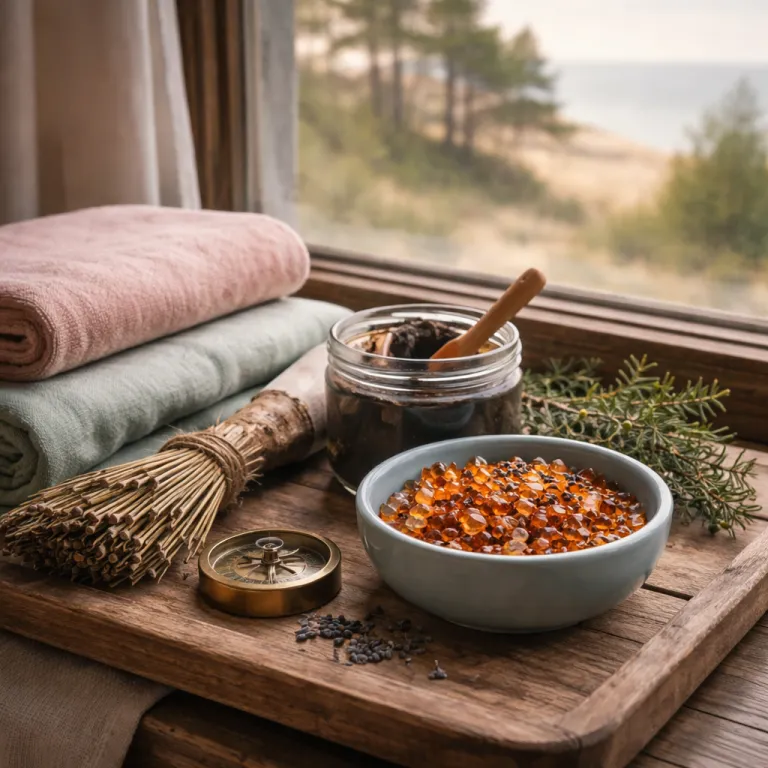
Why Lithuania now leads as a serious wellness destination
Lithuania has moved from quiet spa secret to headline wellness destination in the Baltics. In 2022, the country received the ITB Medical & Health Tourism Destination Award, with the jury noting in its official summary that Lithuania “combines long spa traditions with modern medical competence and sustainable nature experiences,” recognising how mineral springs, medical spa expertise and forest landscapes now support credible wellness infrastructure. According to the Lithuanian Ministry of Economy and Innovation, wellness‑related overnight stays in spa towns exceeded 1.1 million in 2022, and for travellers planning a luxury stay this means spa resorts in Lithuania increasingly compete with established Baltic and Alpine retreats on quality, while keeping prices and crowd levels far lower.
The Lithuanian Ministry of Economy and Innovation coordinates wellness tourism development, and its strategy is clear about positioning Lithuania for longer health‑focused stays rather than quick pampering weekends. Official statistics from the ministry show that domestic travel nights in spa towns rebounded to roughly 1.05 million in 2022, close to pre‑pandemic 2019 levels, and international wellness visits are now catching up as guests extend their days in resorts beyond a standard city break. As one national summary puts it, “Lithuania offers diverse wellness experiences,” from classic sanatorium programmes to contemporary forest bathing and sleep retreats.
For guests, the award matters only if it translates into real spa treatments, reliable medical supervision and consistent service standards over time. In Lithuania, that translation is visible in the way curative water therapies, amber massages and herbal rituals are integrated into medical spa programmes at leading properties. Typical packages run three to seven days and combine daily doctor consultations with several 20–40 minute procedures, from underwater massage to inhalation therapy. Dr. Rasa Jankauskienė, a rehabilitation specialist in Druskininkai, notes that “most of our international clients now stay at least five nights, which allows us to monitor progress and adjust procedures safely.” When you compare this emerging Baltic wellness hub with Alpine rivals, you still see fewer ultra‑large resort complexes, yet you gain quieter pine forests, softer pricing and a more personal travel guide style of care, with many hotels limiting guest numbers per doctor to keep consultations unhurried.
Druskininkai and Birštonas: mineral spa heartland on the Nemunas River
Druskininkai remains the benchmark spa town in Lithuania, and it is where the national wellness story feels most convincing on the ground. Historic mineral springs feed modern balneology facilities, and properties such as Grand SPA Lietuva and SPA VILNIUS Druskininkai combine medical diagnostics with tailored spa treatments. A typical three‑night programme might include an initial doctor visit, daily therapeutic baths, mud applications and physiotherapy sessions, with prices often starting around €80–€120 per person per day including accommodation. Across the town, sanatoriums and wellness hotels offer more than 3,000 beds, so refined travellers can usually choose between clinical rehabilitation centres and boutique‑style retreats without sacrificing access to diagnostics or supervised therapies.
Here, the Nemunas River curves around pine forests, and the air quality underpins Vilnius’ wider reputation as a sleep‑friendly city across the Baltics. Guests typically split their time between clinical style treatments using local resources and more experiential wellness, from saunas scented with regional herbs to outdoor walks that double as gentle cardio. Local spa managers often highlight how many visitors now arrive with specific goals, such as improving back health or managing stress, and design their daily schedule around two or three key procedures rather than constant activity. The nearby Snow Arena, an indoor ski slope open most of the year, adds an unusual contrast to hot hydrotherapy pools and makes Vilnius–Druskininkai weekend combinations attractive for active travellers.
Birštonas, further along the Nemunas River, offers a quieter spa town rhythm with a strong focus on mineral water and long‑stay rehabilitation. Vytautas Mineral Spa anchors the local scene, using high‑salinity mineral waters in both classic spa treatments and more intensive medical programmes that often run seven, ten or even fourteen days. Many guests now design Birštonas–Druskininkai twin‑centre stays over five to seven days, using Druskininkai for a denser resort experience and Birštonas for slower recovery time in smaller wellness properties, where evening concerts, riverside walks and simple bicycle routes replace more formal entertainment.
From Vilnius to Palanga: mapping Baltic sea air, forest rituals and future gaps
Vilnius itself is not a traditional spa town, yet the city plays a central role in any Lithuanian wellness itinerary. High rankings for sleep quality, driven by low light pollution and generous green space, make the capital a logical first stop before or after intensive spa treatments. Urban properties with strong wellness credentials, including several SPA VILNIUS branded hotels, now package two or three days in the city with onward transfers to resort areas, often bundling airport pick‑up, breakfast and access to compact but well‑equipped pools, saunas and treatment rooms.
On the coast, Palanga and the Curonian Spit extend the wellness narrative to the Baltic Sea, where sea air, dunes and pine forests shape a different kind of experience. Palanga’s resort hotels focus less on heavy medical protocols and more on restorative spa, yoga and forest bathing, while nearby Klaipėda offers urban access to coastal trails and curated stays. Travellers comparing Baltic Sea destinations often find Lithuania’s coastal spa towns less polished than Alpine clinics, yet more authentic and significantly better on value, with off‑season midweek packages frequently under €150 per night for two including basic treatments.
For readers using mylithuaniastay.com as a cross‑border travel guide, a practical way to sample Lithuania’s wellness circuit is to start with two nights in Vilnius, continue with three or four nights in Druskininkai or Birštonas for structured health programmes, then finish with a coastal pause in Palanga or on the Curonian Spit. The gap with Alpine wellness remains in ultra‑specialised medical departments and sheer facility scale, but Lithuania already excels on mineral spa heritage, Baltic landscape access and the ability to blend city culture with quiet spa towns in a single trip. When you review any property, always check how clearly it explains spa treatments, medical supervision, mineral water sourcing and its privacy policy, because the best resorts treat these details as seriously as design or cuisine, and will usually provide written treatment plans and transparent pricing before you confirm your stay.