Staying by the Curonian Lagoon: is it the right choice?
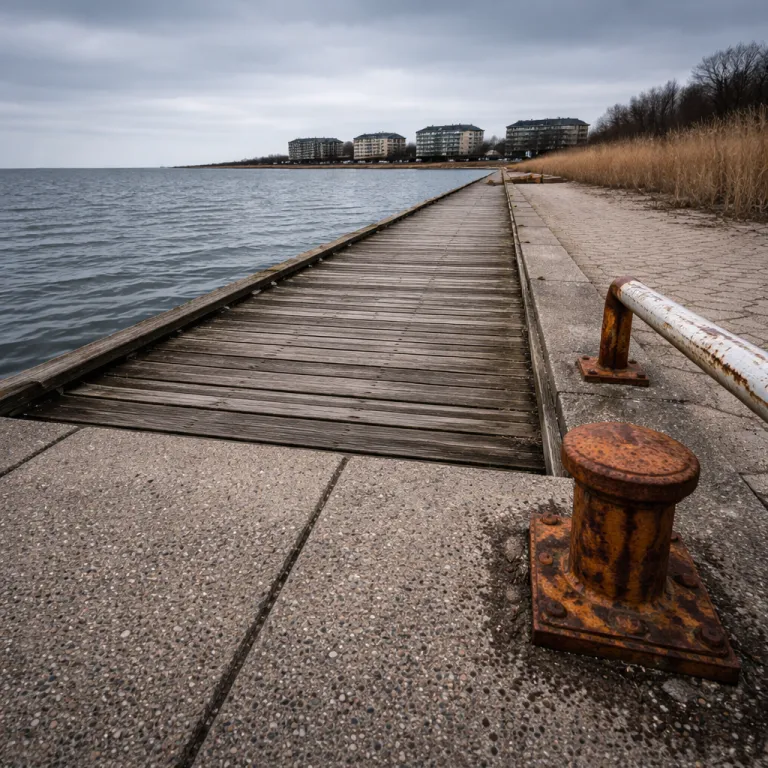
Low pine forests, pale sand, and a strip of water that looks almost still. The Curonian Lagoon in Lithuania is for travelers who prefer quiet beauty to spectacle. If you are choosing a hotel here, you are really choosing a rhythm of life: slow walks on wooden boardwalks, long breakfasts, and evenings watching the light fade over the water.
The lagoon stretches between the Curonian Spit and the mainland, with Nida, Juodkrantė and Klaipėda forming the main bases for guests. Each area has a distinct character, from resort-like calm to working port city energy. Before you book a room, decide whether you want to wake up to fishing boats and dunes, or to cobbled streets and historic warehouses.
For a first stay focused on nature and the Baltic Sea, Nida and the wider Neringa municipality are usually the most compelling. Travelers who want culture, restaurants and easy onward connections often prefer Klaipėda city on the mainland, using ferries and buses to reach the Curonian Spit during the day. Both options work, but they deliver very different stays.
Nida and Neringa: lagoon-front calm on the Curonian Spit
Wooden houses painted in deep blue and red line Skruzdynės street in Nida, just a few hundred metres from the Curonian Lagoon. Hotels here tend to be small, often family-run, with a limited number of rooms and a strong sense of place. You are rarely more than 0.2 km from the water, and the dunes rise behind the village like a pale backdrop.
Expect compact rooms rather than sprawling suites, but with thoughtful amenities for coastal living: good blackout curtains for the long northern evenings, practical storage for outdoor clothing, and terraces or balconies where possible. A double room facing the lagoon will feel very different from one looking towards the forest, so check the exact room orientation before confirming. In high season, the most desirable rooms in hotels in Nida are those that catch the late-afternoon light over the water.
Neringa as a whole is about walking and cycling rather than urban entertainment. From many hotels in Nida, you can reach the Thomas Mann museum in around five minutes on foot, following quiet residential lanes that climb gently towards the forest. The Baltic Sea beach lies on the opposite side of the Curonian Spit Lithuania, reached by a network of paths and wooden stairs over the dunes; the contrast between the calm lagoon and the open sea is one of the area’s quiet luxuries.
Juodkrantė: between forest, lagoon and Baltic Sea
Further north along the Curonian Spit, Juodkrantė feels more secluded. The main street, L. Rezos g., runs parallel to the lagoon, with hotels located between the water and the pine forest. This is where you come if you want a classic resort atmosphere: long promenades, birdwatching, and easy access to both the Curonian Lagoon and the Baltic Sea.
Some properties here offer leisure-focused amenities such as indoor and outdoor pool areas, simple spa facilities and generous public areas designed for guests to linger. When you compare hotels, look carefully at how the pool and spa are integrated into the overall layout. A pool tucked away in a basement will feel very different from one opening onto a terrace facing the forest.
The Baltic Sea shore is typically around 1.5 to 2 km from lagoon-side hotels in Juodkrantė, reached via forest paths that are atmospheric in all seasons. This distance matters: if you plan to spend every day on the beach, check how you will move between your room and the sea, especially with children or beach gear. For many travelers, the trade-off is worth it, as you gain direct access to the calmer lagoon promenade and easier evening walks.
Klaipėda city: urban base for lagoon and coast
On the mainland side, Klaipėda offers a very different setting for exploring the Curonian Lagoon. Here you stay in a real port city, with cranes on the horizon and cobbled streets around the old town. A hotel located near the riverfront places you within walking distance of the ferry terminals that connect to the Curonian Spit, turning day trips to Nida or Juodkrantė into an easy routine.
The hotel scene in Klaipėda is broader, from simple business-style properties to more characterful addresses in converted warehouses. When choosing a Klaipėda hotel, pay attention to the exact location: staying near the old town and the Dane river gives you quick access to restaurants, the theatre square, and the path towards Klaipėda castle. Properties further inland may offer quieter rooms but less atmosphere.
For travelers who want both culture and nature, Klaipėda can be a smart compromise. You sleep in the city, explore museums and galleries, then cross to the Curonian Spit during the day. Hotels in Klaipėda often have more developed public areas, such as lounges and small spa corners, which can be welcome on colder days when the lagoon is best admired from indoors.
What to look for in a Curonian Lagoon hotel
Room choice matters more here than in many urban destinations. A lagoon-facing room in Nida or Juodkrantė can transform your stay, especially in summer when the light lingers late. When you compare rooms, check not only the size but also the floor level, balcony presence, and whether any trees or roofs interrupt the view. A smaller room with a clear lagoon outlook can feel more luxurious than a larger one facing a car park.
Amenities are generally practical rather than ostentatious. You may find modest spa areas with saunas and small pools, simple fitness corners, and outdoor terraces rather than full-scale resort complexes. If wellness is a priority, verify whether spa access is included for all guests or limited to certain room categories. In Juodkrantė in particular, some hotels position their pool as a central feature of the stay.
Public areas deserve attention too. On the Curonian Spit, a well-designed lobby or lounge can become your living room between walks, especially outside the peak summer months. Look for spaces with large windows facing the lagoon or forest, comfortable seating, and easy access to outdoor decks. In Klaipėda, consider whether you prefer a compact, quietly elegant lobby or a livelier, more functional ground floor that reflects the city’s working-port character.
Seasonality, atmosphere and traveler profiles
Summer brings long days, fuller hotels and a gentle holiday buzz along the Curonian Lagoon. Nida and Juodkrantė feel like classic seaside resorts then, with families cycling along the waterfront and evening strolls on the promenades. If you value tranquillity above all, consider late spring or early autumn, when the dunes are quieter and the light over the water turns softer.
Different bases suit different travelers. Nida works best for those who want a refined, walkable village with easy access to both the lagoon and the Baltic Sea, plus cultural stops such as the local museum and the former writers’ retreat on the hill. Juodkrantė is ideal if you prioritise resort-style amenities and do not mind a short walk or cycle to the open sea. Klaipėda suits guests who want an urban layer to their trip, with restaurants, theatres and city walks complementing day visits to the Curonian Spit.
For a first visit focused on the Curonian Lagoon itself, staying on the spit rather than the mainland usually feels more immersive. Returning travelers, or those combining several parts of Lithuania, often appreciate the flexibility of a Klaipėda base, especially when continuing towards other Baltic Sea towns or inland cities.
Practical tips before you book
Distances can be deceptive on the map. Always check how far your chosen hotel is from the lagoon shore, the nearest beach access on the Baltic side, and any key sights you care about. In Nida, for example, being within a short walk of the central promenade and Skruzdynės area makes it easier to explore on foot, while in Juodkrantė proximity to L. Rezos g. keeps you close to the waterfront.
Seasonal availability is another crucial point. The most appealing hotels in Nida and Juodkrantė tend to fill early for July and August, especially lagoon-view rooms and higher hotel star categories. If your dates are fixed, secure your preferred location first, then refine the exact room type. Shoulder seasons offer more flexibility and a calmer atmosphere, which many discerning travelers actually prefer.
Finally, think about how you will move around. If you plan to explore several parts of the Curonian Spit and mainland Lithuania, a stay that combines a few nights on the spit with a night or two in Klaipėda can work well. This way you experience both the quiet of the lagoon and the energy of the city, without compromising on comfort or sense of place.
Is the Curonian Lagoon area in Lithuania a good place to book a hotel?
The Curonian Lagoon area in Lithuania is an excellent place to book a hotel if you value calm landscapes, access to both the lagoon and the Baltic Sea, and a slower, more reflective pace of travel. Nida and Juodkrantė on the Curonian Spit offer intimate, nature-focused stays with easy walking access to dunes, forests and waterfront promenades, while Klaipėda city provides an urban base with cultural life and convenient transport to the spit. It suits travelers who prefer understated comfort, scenic surroundings and a strong sense of place over large-scale resort entertainment.
FAQ: hotels by the Curonian Lagoon in Lithuania
Which area is best to stay in for first-time visitors to the Curonian Lagoon?
For a first visit, Nida is usually the most balanced choice, offering a compact village atmosphere, close proximity to the Curonian Lagoon, and straightforward access to the Baltic Sea beach on the other side of the dunes. You can walk to key sights, such as the local museum and the hilltop writers’ house, and still retreat to quiet streets in the evening. Juodkrantė is a good alternative if you prefer a more resort-like feel and do not mind a slightly longer walk to the open sea.
How far are the hotels from the Curonian Lagoon and the Baltic Sea?
In Nida, many hotels are within roughly 0.2 km of the Curonian Lagoon, often just a few minutes’ walk from the waterfront promenade. On the Baltic Sea side, beaches are typically 1 to 2 km away, reached via forest paths and dune crossings. In Juodkrantė, lagoon-side properties sit directly along the main street by the water, while the sea shore lies around 1.5 to 2 km across the Curonian Spit, depending on the exact location.
Are there hotels with pools or spa facilities near the Curonian Lagoon?
Yes, some hotels near the Curonian Lagoon, particularly in Juodkrantė, offer leisure facilities such as indoor and outdoor pools and modest spa areas with saunas. These amenities are generally designed for relaxation after days spent outdoors rather than as full-scale wellness complexes. If a pool or spa is important to you, verify whether access is included for all guests and how central these facilities are to the overall hotel experience.
Is it better to stay on the Curonian Spit or in Klaipėda?
Staying on the Curonian Spit, in places like Nida or Juodkrantė, gives you a more immersive nature experience, with dunes, forests and the lagoon all within walking distance. This suits travelers who want tranquillity and direct access to outdoor activities. Klaipėda, on the mainland, works better if you want a mix of city life and nature, with restaurants, theatres and historic streets complementing day trips to the spit by ferry.
When is the best time of year to book a hotel by the Curonian Lagoon?
Summer, especially July and August, offers the warmest weather and the liveliest atmosphere, but also the highest demand for hotels in Nida and Juodkrantė. Late spring and early autumn are excellent for travelers who prefer fewer crowds, softer light over the lagoon and more availability in desirable room categories. Winter stays are quieter and more contemplative, appealing mainly to those who enjoy off-season coastal landscapes and do not mind cooler temperatures.