World tourism day Lithuania hospitality and the paradox of fewer nights, better stays
World tourism day Lithuania hospitality puts a quiet Baltic country under a sharper lens. While the number of international visitors and overnight stays has slipped recently, the main content of Lithuania travel is becoming more refined and more ambitious. For luxury tourists, that paradox matters more than any headline about a single year of statistics.
Across international tourism reports, Lithuania appears as a small player in global tourism by volume, yet its tourism sector punches above its weight in design, gastronomy and cultural depth. The country has seen a decline in international overnight stays, even as Michelin recognition and high end openings signal a richer tourism hospitality ecosystem. This is where Lithuania tourism shows its hand ; it is quietly choosing quality travel tourism over mass tourism, and that choice is reshaping where discerning tourists sleep, eat and spend.
Consider the contrast with Estonia, where the number of overnight stays rose while Lithuania’s fell, despite both sharing a similar region and geopolitical context. On paper, Estonia looks stronger in pure tourism numbers, yet Lithuania’s gdp contribution from high value tourism spending is increasingly driven by international visitors seeking design led hotels and serious restaurants. For a traveler deciding which city or country to prioritize, the story behind the data matters more than the data itself.
For Lithuania hospitality, the current dip in international tourism is less a crisis than a filter. Lower volume means hotels and restaurants can focus on service, on cultural heritage storytelling and on attracting tourists who value rich culture over cheap nights. If you care about where your travel spending goes, this is the moment to meet local teams who are building a more sustainable tourism industry rather than chasing any possible share of global tourism.
Vilnius and Kaunas: where numbers fall but the experience sharpens
In Vilnius, world tourism day Lithuania hospitality feels tangible in the Old Town’s cobbled streets and in the glass fronted hotels facing the Neris River. The city’s luxury properties are not chasing every tourist ; they are curating fewer, better stays that align with a more thoughtful model of travel tourism. That shift is visible in how concierges talk about culture, in how chefs frame local ingredients and in how managers think about long term gdp contribution from tourism spending.
Take a walk from the Gates of Dawn to the Presidential Palace and you will pass hotels that now anchor their identity in cultural heritage, not just in square meters and spa menus. International visitors are encouraged to meet local artisans, to understand why this region’s history still shapes the city’s rhythm and to see how domestic tourism supports year round life beyond the high season. On world tourism day, Lithuania travel leaders often highlight that the tourism sector must balance international tourism with domestic tourism, because both streams of tourists sustain the national tourism ecosystem.
Kaunas, the country’s modernist city, tells a similar story with a different aesthetic. Here, Lithuania hospitality leans into interwar architecture, galleries and a growing restaurant scene that benefits from rising travel spending by both domestic and international guests. The number of beds may be smaller than in Vilnius, but the share of high value tourism spending is growing, and that is what ultimately shapes gdp contribution and long term resilience.
If you are planning Lithuania travel around late September, consider extending your stay after the official tourism day celebrations and reading this guide to Lithuania in September and the case for traveling after the crowds leave. You will see how the tourism industry here uses the shoulder season to refine service, to host cultural events and to deepen its rich culture narrative for both tourists and locals. In Vilnius and Kaunas, world tourism and local life are not in conflict ; they are carefully braided together.
Coast, forests and lake districts: Lithuania hospitality beyond the capital
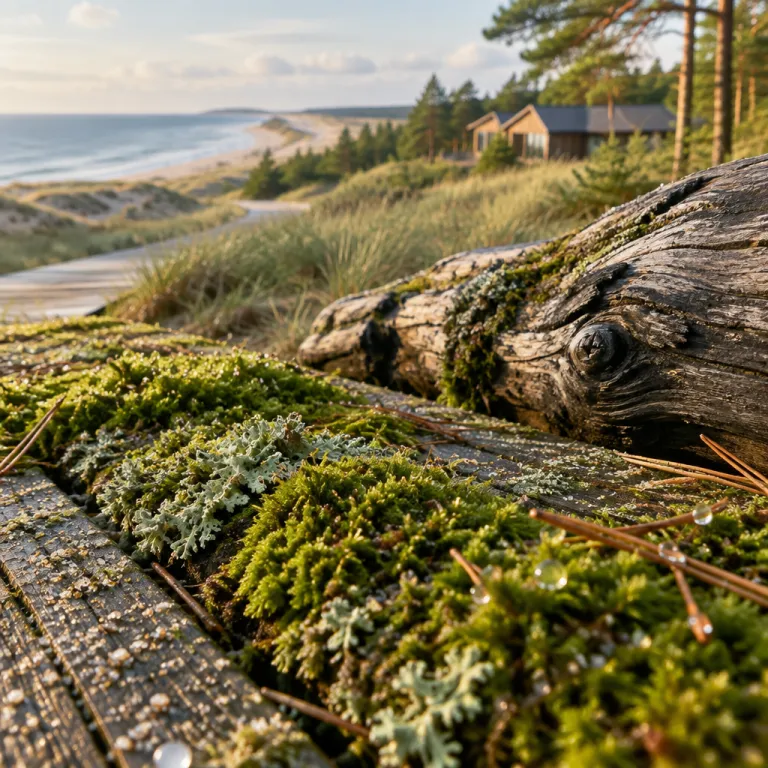
World tourism day Lithuania hospitality is not only about one city or one skyline. Along the Curonian Spit, in Palanga and in the inland lake districts, Lithuania tourism is quietly building a network of premium retreats that favor space, silence and nature over spectacle. These regions show how a country can use its rich natural assets to attract tourists without overwhelming local communities.
On the coast, international visitors and domestic travelers share the same pine scented paths to the dunes, yet their travel spending patterns differ. International tourism often concentrates on shorter, higher spending stays, while domestic tourism tends to favor longer, more frequent visits that stabilize the tourism sector across the year. For hotel owners, that mix of tourists helps smooth occupancy, supports local employment and increases the tourism industry’s gdp contribution without chasing unsustainable volume.
In the lake district of Aukštaitija, luxury is measured in silence, in the number of steps between your suite and the water’s edge, and in how easily you can meet local guides who know every forest track. Our detailed look at Aukštaitija National Park and Lithuania’s lake district shows how national tourism policy is slowly steering investment toward low impact stays. This is travel tourism that respects cultural heritage, protects the region’s ecosystems and still generates meaningful tourism spending for the country.
For luxury travelers, the main content of Lithuania hospitality outside the cities is about choice. You can opt for a coastal property where the world feels far away, or a forest retreat where the only numbers that matter are the kilometers of hiking trails and the hours of uninterrupted sleep. Either way, your travel spending supports a tourism day vision in which global tourism and local life coexist more gracefully.
What the data means for luxury travelers planning the next two years
World tourism day Lithuania hospitality conversations often circle back to data, to the number of arrivals, to charts about international tourism and domestic tourism. For a traveler choosing where to allocate travel spending, those numbers matter, but only when read in context. A temporary decline in international visitors can mean more attentive service, better room upgrades and quieter dining rooms for those who do come.
As Lithuania refines its tourism sector, the country is investing in culinary excellence, design forward properties and cultural programming that deepens its rich culture narrative. That strategy may not maximize short term tourism spending, yet it strengthens long term gdp contribution by attracting tourists who value authenticity and are willing to pay for it. In global tourism terms, Lithuania is positioning itself as a niche destination where tourism hospitality is measured in guest satisfaction rather than in raw volume.
For business leisure travelers extending a work trip, this is good news. You can stay in a capital city hotel that understands international standards, then add two or three nights in a coastal or forest region where you meet local hosts and experience national tourism at its most sincere. Your travel tourism choices help shape how the tourism industry evolves, influencing which regions receive investment and how the country balances its share of domestic and international visitors.
When you plan your next Lithuania travel around tourism day or the quieter weeks that follow, think beyond the headline numbers. Ask how your presence contributes to cultural heritage preservation, to fair tourism spending and to a more resilient tourism sector that benefits both tourists and locals. That is what world tourism, at its best, should mean for a small yet ambitious country on the Baltic map.
FAQ
Is Lithuania a good choice for a luxury city break around World Tourism Day ?
Lithuania is an excellent option for a luxury city break around World Tourism Day because Vilnius and Kaunas combine high quality hotels, serious restaurants and a compact, walkable scale. The recent dip in international visitors means top properties often have more availability and can offer more personalized service. You benefit from refined tourism hospitality while supporting a tourism sector that is prioritizing quality over volume.
How does Lithuania compare with other Baltic countries for high end travel ?
Compared with its Baltic neighbors, Lithuania feels slightly less saturated and more focused on intimate, design driven stays. Estonia currently records stronger growth in overnight stays, yet Lithuania’s luxury scene is evolving quickly, especially in gastronomy and small scale coastal and forest retreats. For travelers who value space, cultural heritage and a quieter atmosphere, Lithuania offers a compelling alternative within the region.
Where should I stay if I want both business facilities and leisure options ?
Vilnius is the best base if you need strong business infrastructure and want to add leisure days before or after meetings. The city’s premium hotels offer reliable conference facilities, while the Old Town, Užupis district and nearby forests provide easy escapes within a short drive. From Vilnius, you can connect quickly to Kaunas, the coast or the lake districts for a change of pace.
Is Lithuania’s tourism industry stable enough for long term travel planning ?
Despite short term fluctuations in visitor numbers, Lithuania’s tourism industry is structurally stable and increasingly oriented toward sustainable, higher value travel. Investment is flowing into gastronomy, design led accommodation and cultural programming rather than into mass market capacity. That makes the country a reliable choice for travelers planning repeat visits over several years.
How can my trip support local communities and cultural heritage in Lithuania ?
You can support local communities by choosing Lithuanian owned hotels, dining in independent restaurants and booking experiences with certified local guides. Visiting museums, galleries and smaller regional towns helps sustain cultural heritage institutions beyond the capital. Thoughtful travel spending of this kind strengthens national tourism while preserving the rich culture that makes Lithuania distinctive.