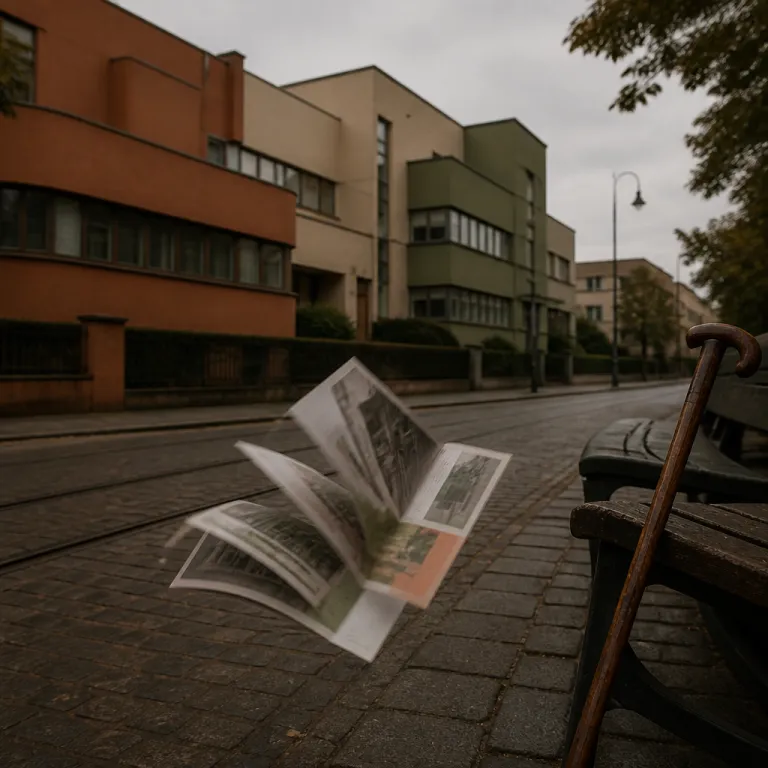
Why Kaunas modernist architecture belongs on a luxury traveler’s map
Kaunas looks modest on the map of Lithuania, yet its streets hold one of Europe’s densest ensembles of interwar buildings. When the city became the provisional capital of Lithuania between 1919 and 1940, that political shift turned Kaunas into a laboratory where a new national identity was poured into concrete, glass and pale plaster. For a solo traveler who loves architecture and prefers a refined hotel to a history book, the modernist cityscape offers a rare chance to sleep, stroll and linger inside a living open air museum.
Unlike Vilnius, whose Old Town leans toward baroque architecture and medieval silhouettes, Kaunas speaks the language of the interwar period with a confident, almost cinematic clarity. The result is modernist Kaunas, a city where clean lines, curved balconies and sculptural staircases form a coherent architectural narrative that still shapes everyday life. You are not just looking at a single modernist building here; you are moving through an entire urban composition that UNESCO has recognised as a unique example of large scale interwar urbanisation in its 2023 World Heritage inscription “Modernist Kaunas: Architecture of Optimism.”
UNESCO’s 2023 inscription of “Modernist Kaunas: Architecture of Optimism” placed this Lithuanian city on the global heritage map, and the hopeful spirit highlighted in the nomination file still feels tangible on a quiet morning along Laisvės Alėja. This long pedestrian boulevard, framed by modernist buildings and mature trees, functions as the social spine of Kaunas and the perfect starting point for any walking tour. For luxury travelers, that same spine conveniently links several of the best high end hotels with key architectural sites, turning the interwar urban fabric into a seamless part of your daily route rather than a separate sightseeing chore.

A curated walking route through Kaunas modernist architecture
Begin your exploration of architecture Kaunas on Laisvės Alėja, where cafés spill onto the pavement and the rhythm of façades sets the tone for the day. Here, the ambition of the 1920s and 1930s is legible in the confident massing of each building, from streamlined corner houses to more ornate structures that flirt with Art Deco style. As you walk, notice how the streetscape balances Lithuanian national motifs with international modernism, a visual dialogue that defines the city’s interwar character.
Turn toward Donelaičio Street, where several important buildings reveal how civic pride was translated into stone and glass. The former Bank of Lithuania headquarters at Donelaičio g. 2 (confirmed in the UNESCO nomination dossier), completed in 1928, stands as a powerful symbol of economic aspiration, its architectural language mixing neoclassical gravitas with modernist restraint. Nearby, the Officers Club building on A. Mickevičiaus g. 19 shows another face of modernist Kaunas, with generous windows and refined detailing that once hosted the city’s military elite and now attracts architecture enthusiasts who read façades like diaries.
Continue uphill toward Putvinskio Street, one of the most rewarding corridors for anyone tracing Kaunas architecture on foot. Here, interwar villas and apartment houses line the slope, each building experimenting with volumes, balconies and subtle Lithuanian national ornamentation. The walk from Laisvės Alėja to Putvinskio Street takes around 15–20 minutes at a relaxed pace and culminates naturally at the M. K. Čiurlionis National Art Museum, opened in 1936, where the architectural shell and the art inside both speak to a period when culture, design and statehood were tightly intertwined.
From the museum, a short detour of about 10 minutes on foot leads to the monumental Christ Resurrection Church, a landmark of Kaunas modernist ambition that dominates the skyline of Žaliakalnis. Its stark white volumes and panoramic terrace embody the forward looking “architecture of optimism” UNESCO has celebrated, offering sweeping views over Kaunas and its sea of interwar roofs. Standing here, you sense why the site now carries both a World Heritage inscription and a broader European heritage label in the minds of architecture lovers.
For travelers who enjoy linking architectural narratives across Lithuania, Kaunas pairs beautifully with the Art Nouveau villas of the Baltic coast. When you plan your route, consider combining this interwar capital with a coastal escape by following an elegant villa trail along the Baltic Sea, as outlined in our guide to Palanga’s Art Nouveau legacy. Together, these two cities reveal how Lithuanian architecture absorbed European currents while shaping its own distinct identity in both urban and seaside settings.

Living heritage, not frozen history: how Kaunas modernism feels on the ground
What makes the Kaunas modernist district compelling for solo travelers is how thoroughly it is woven into daily routines rather than sealed behind museum doors. You might check into a refined hotel on Donelaičio Street, then realise over breakfast that your dining room occupies a former interwar bank hall or a carefully restored merchant house. The same building that once hosted Lithuanian national institutions now offers high thread count sheets, attentive service and a front row seat on the city’s evolving story.
Kaunas City Municipality and local tour guides have leaned into this living heritage by developing both guided and self guided walking routes through the modernist districts. Their stated aim is to “showcase Kaunas's modernist heritage”, “educate visitors on interwar architecture”, and “promote cultural tourism”, and those three goals align perfectly with the expectations of thoughtful luxury travelers. You can join a small group tour for a two to three hour immersion, or use printed maps and mobile apps to wander at your own pace, pausing whenever a façade or stairwell catches your eye.
The scale of the ensemble is striking; UNESCO notes in its 2023 evaluation that more than 6,000 interwar modernist buildings survive across Naujamiestis and Žaliakalnis, making this one of the most extensive such landscapes in Europe. That density means you are rarely more than a few minutes’ walk from another compelling building, whether it is a modest apartment house with curved balconies or a grand institutional building with sculpted reliefs. For a traveler who values both efficiency and depth, the compact city centre offers a high return on every step taken.
Unlike some European capitals where heritage districts feel over curated, Kaunas retains a disarming normality that suits independent explorers. Children cycle past façades that architectural historians cross continents to see, and laundry sometimes hangs on balconies designed during the interwar period with almost cinematic optimism. One local guide summed it up simply: “For us these are just homes, but for visitors they are like an open textbook of Lithuanian modernism.”
As interest in architectural tourism grows, Kaunas has also experimented with augmented reality tools that overlay archival images onto present day streetscapes. These digital layers help you visualise how a particular building functioned when Kaunas was the capital of Lithuania, and how its role has shifted over time. For solo travelers who enjoy technology as much as history, this blend of AR innovation and UNESCO heritage context adds another dimension to the walking experience.
Where to stay: luxury hotels that speak the language of Kaunas architecture
Choosing the right hotel in Kaunas is not just about thread counts and spa menus; it is about aligning your base with the city’s architectural story. For lovers of interwar design, the most rewarding addresses sit close to Laisvės Alėja, Donelaičio Street or Putvinskio Street, where historic buildings cluster in walkable bands. From here, you can step out of your lobby and be standing in front of a significant modernist building within minutes.
Several premium properties occupy or neighbour historic structures, allowing you to experience Kaunas modernist spaces in a quietly immersive way. Daugirdas Hotel at T. Daugirdo g. 4 blends restored brickwork with contemporary interiors, while Hotel Kaunas on Laisvės al. 79 places you directly on the main boulevard. Look for hotels that reference the interwar period in their design language through original staircases, restored façades or carefully preserved lobby details rather than heavy handed nostalgia.
Solo travelers who prioritise wellness and sustainability will find that Kaunas increasingly mirrors broader Lithuanian trends in eco conscious luxury. Many high end properties now integrate energy efficient systems and local materials, echoing the functionalist spirit that underpinned much interwar architecture in Lithuania. If this matters to you, pair your Kaunas stay with ideas from our guide to luxury eco hotels in Lithuania, then shortlist Kaunas hotels that balance heritage sensitivity with contemporary environmental standards.
Location remains crucial, especially if you want to experience the modernist quarters at different times of day. A room overlooking a quiet side street near Laisvės Alėja lets you watch the city wake up, then slip out for an early walk past interwar houses before the cafés fill. In the evening, you can return along the same route, seeing the same buildings under warm streetlight that softens their sharp lines into something almost cinematic.
When comparing options, consider how each property connects you to the wider cultural landscape of Kaunas and Lithuania. Some hotels partner with the M. K. Čiurlionis National Art Museum or other local museums, offering curated access to exhibitions that deepen your understanding of Lithuanian national art and its relationship to architecture. Others may arrange private guided walks with specialists in Kaunas architecture, giving you a more tailored reading of the city’s façades, interiors and urban planning.
From European heritage label to personal itinerary: planning your Kaunas stay
Kaunas’s recognition as a site of European heritage and its UNESCO World Heritage inscription have practical implications for how you plan your trip. The city’s tourism infrastructure has matured, with Kaunas City Municipality coordinating walking tours, multilingual guides and clear signage that makes independent exploration straightforward. For a solo traveler, this means you can focus on the subtleties of interwar architecture rather than on logistics.
Guided walking tours typically last around two to three hours and run throughout the year, with extra departures in the warmer months. They are offered in several languages, and advance booking is strongly recommended during peak seasons when interest in architecture Kaunas is highest. If you prefer to move at your own pace, self guided options using printed maps or mobile apps allow you to structure a day around specific themes such as residential buildings, civic architecture or religious sites like the Christ Resurrection Church.
Comfortable walking shoes are essential, as the most rewarding routes link multiple districts and climb gently toward Žaliakalnis. Distances remain manageable, though; many of the key buildings sit within a few kilometres of each other, making it easy to weave the modernist quarters into a relaxed day that also includes café stops and museum visits. Checking the weather forecast before you set out will help you decide whether to prioritise open air viewpoints or interior visits to museums and public buildings.
Beyond the core modernist ensemble, Kaunas also offers layers of history that enrich any architectural itinerary. The presence of institutions such as the Vytautas the Great War Museum and the Bank of Lithuania headquarters reminds you that this was once the beating administrative heart of Lithuania, not just an architectural curiosity. As you move between these sites and the quieter residential streets, the narrative of Kaunas Lithuanian identity during the interwar period becomes more tangible.
Ultimately, what stays with most visitors is the atmosphere captured in UNESCO’s phrase “architecture of optimism”. That mood is not abstract; it is etched into staircases, window proportions and the way light falls into stairwells on Donelaičio or Putvinskio streets. When you leave Kaunas for another Lithuanian city or the wider Baltic region, you carry with you a clearer understanding of how architecture, heritage and everyday life can align to create a quietly extraordinary place.
FAQ
How long should I plan to explore Kaunas modernist architecture on foot ?
A focused introduction to Kaunas modernist architecture fits comfortably into one full day of walking, especially if you join a two to three hour guided tour and then continue independently. Architecture enthusiasts who enjoy photographing buildings and visiting interiors such as museums or churches will benefit from at least two days. This allows time to explore both Naujamiestis and Žaliakalnis without rushing between key sites.
Are guided tours of modernist Kaunas available in English ?
Yes, guided tours of modernist Kaunas are offered in several languages, including English, through programmes coordinated by Kaunas City Municipality and local tour guides. These tours typically operate year round, with more frequent departures during busier travel periods. Advance booking is recommended, particularly if you prefer a smaller group or a specific language.
Which areas of Kaunas are most important for interwar architecture ?
The most significant concentrations of interwar architecture in Kaunas lie in the central district of Naujamiestis and the hillside neighbourhood of Žaliakalnis. Streets such as Laisvės Alėja, Donelaičio Street and Putvinskio Street form a natural backbone for exploring Kaunas modernist architecture on foot. Many of the city’s most important civic and residential buildings from the interwar period are located within these walkable zones.
Can I visit the Christ Resurrection Church and its viewpoint ?
The Christ Resurrection Church in Žaliakalnis is open to visitors and is one of the key landmarks of Kaunas modernist architecture. Its rooftop terrace usually operates daily with extended hours in summer and offers panoramic views over Kaunas city, making it a highlight for photographers and urban landscape enthusiasts. Opening times and ticket details can vary, so checking locally or via the church’s information boards before you climb the hill is advisable.
Is Kaunas a good base for exploring other architectural sites in Lithuania ?
Kaunas works well as a central base for exploring architectural sites across Lithuania, thanks to its rail and road connections. From here, you can easily reach Vilnius for baroque architecture or head toward the Baltic coast to experience Art Nouveau villas and seaside wooden houses. This combination of styles helps you understand how Lithuanian architecture evolved across different regions and historical periods.