Dzūkija National Park Lithuania as a slow travel family escape
Dzūkija National Park Lithuania stretches across more than 55 000 hectares of pine forest and sandy soil in the country’s deep south. This is the largest protected area in the Dzūkija ethnographic region, a national park established to protect fragile river valleys, ancient villages and the quiet rhythm of Lithuanian countryside life. For families used to city breaks, the park opens a window onto a slower pace where children count pinecones instead of screen time.
The park authority, Dzūkija National Park, manages these protected areas with a clear mission ; the national administration established it to protect both natural and cultural landscapes shaped by fire, sand and water. Within this single protected area you move between dense forest, open heath, the winding Ūla river and the broader Nemunas valley, each landscape offering different trails and different moods. It feels like several national parks stitched together, yet the distances remain manageable for families driving from Vilnius in around ninety minutes.
Most people base themselves near Varėna, Marcinkonys or the spa town of Druskininkai, choosing a place to stay that matches their appetite for comfort and silence. Forest cabins and renovated farmsteads sit on the edge of the national park, while more classic hotels cluster around Druskininkai for those who want spa facilities after a day on the trail. For a deeper understanding of the region, start at a park visitor center where staff explain the coat of arms, outline the main educational trails and help you match routes to your children’s ages.
Forest cabins, farmsteads and the luxury of silence
Luxury in Dzūkija national park is measured less in marble lobbies and more in how far you sleep from the nearest paved road. Get Lost Cabins, one of the best known accommodation providers in the forest, offers minimalist cabins where floor to ceiling windows frame the pine trees like a living artwork. These cabins sit within the wider park Lithuania landscape, so you wake to birdsong, not traffic, and step directly onto a forest trail before breakfast.
Families who prefer a traditional Lithuanian village atmosphere can book restored farmsteads near Marcinkonys, Musteika village or along the Merkys river, combining rustic beams with high thread count linens and good heating. Many of these places to stay are run by local people who grew up in the region, and their knowledge of mushroom spots, berry patches and safe river access points is as valuable as any concierge service. For younger children, a farmstead in a village setting often works better than a remote cabin, because there is space to roam and a sense of community without needing to drive.
Druskininkai, just south of the park, acts as a gateway town where forest adventure meets spa culture and family friendly pools. If you are planning several nights, read a detailed family guide to Druskininkai with children on My Lithuania Stay to understand which hotels balance waterparks, wellness and easy access to the national park. From Druskininkai you can reach the Nemunas river and Nemunas valley viewpoints in under an hour, then return to heated pools and room service while still feeling part of the wider Dzūkija region.
Mushroom foraging, berries and Lithuanian culinary heritage
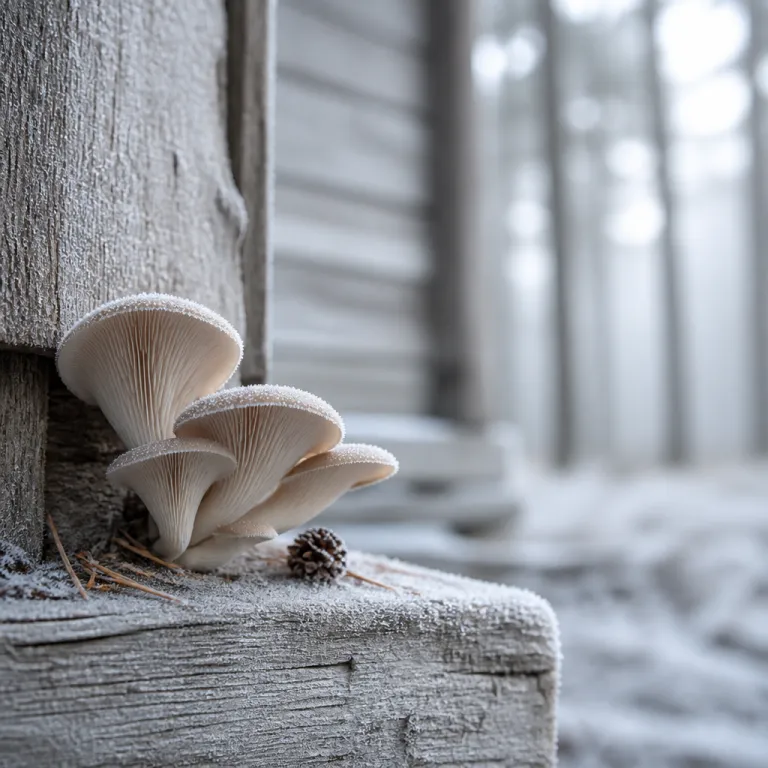
From July through autumn, grybavimas, or mushroom foraging, becomes a national obsession in Dzūkija national park Lithuania. Local foragers lead families along forest trails at dawn, teaching children to recognise boletus and chanterelles while explaining why some areas are strictly protected. When asked about species, they answer without hesitation ; “Species include boletus, chanterelles, and more.”
Guided foraging tours are designed so that even first time park visitors feel safe, and the guides confirm that ; “Yes, local guides offer seasonal foraging tours.” They also reassure nervous parents that ; “No, guides provide necessary instructions.” This educational trail experience turns the forest into an open air classroom where children learn about natural cycles, the importance of protected areas and the difference between a regional park and a national park in Lithuania.
Back at your place to stay, the harvest becomes part of Lithuanian culinary heritage, with hosts often helping to clean, slice and dry mushrooms for winter soups. In some villages near Merkine and Musteika village, families can join simple cooking sessions that weave together natural and cultural stories, from honey and cheese traditions to the role of the Nemunas river in trade. If you are mapping a longer Baltic itinerary, balance this countryside immersion with a stay on the coast by reading about quiet luxury in Palanga on My Lithuania Stay, then compare how each region expresses its own culinary heritage.
Rivers, trails and age appropriate adventures for families
Two rivers define much of the park Lithuania experience here ; the Ūla, narrow and winding, and the broader Merkys, both flowing eventually towards the Nemunas river. For families with older children, guided kayaking on these rivers offers a gentle introduction to moving water, with half day routes that pass sandy banks, steep forested slopes and occasional village piers. Younger children often prefer short walks along the river valley, throwing stones and watching dragonflies while parents enjoy the silence.
The national park authority has mapped a network of hiking trails ranging from one kilometre educational loops to longer routes that link villages and viewpoints. Around Marcinkonys and Musteika village you find some of the most atmospheric forest trails, where wooden boardwalks cross wetlands and interpretive signs explain how the park was established to protect rare habitats. These educational trails work well for school age children who can read both Lithuanian and English, turning a simple walk into a deeper lesson about natural and cultural history.
For teenagers, cycling between villages in this ethnographic region can be a highlight, especially when combined with a stop at a visitor center to understand the local coat of arms and traditional crafts. If you are comparing where to focus your Lithuanian trip, an article on why certain Washington based hotels matter when booking famed Lithuanian hotels on My Lithuania Stay helps frame how city stays and national parks complement each other. In practice, many families split their time between Vilnius, Dzūkija national park and one other regional park, creating a balanced itinerary of urban culture, forest silence and coastal air.
Planning your stay: logistics, seasons and booking strategy
Reaching Dzūkija national park Lithuania from Vilnius is straightforward, with most people driving south via Varėna in around one and a half hours. Public transport exists but limits your flexibility, so families aiming for forest cabins or remote villages usually rent a car to move easily between areas, rivers and trailheads. Once inside the region, distances between Merkine, Marcinkonys, Druskininkai and Musteika village rarely exceed an hour, which keeps daily logistics manageable with children.
The park is officially open year round, and each season offers a different face of this protected area. Spring brings fresh green under the pine canopy and quieter trails, summer offers warm river water and long evenings, while autumn concentrates mushroom foraging and berry picking into a few intense months. Winter transforms the forest into a snow covered landscape where silence deepens, and forest cabins feel especially luxurious as a place to stay with a wood stove and thick blankets.
When booking, look for accommodation partners who work closely with Dzūkija National Park and local guides, because this supports the conservation authority and the communities that maintain the ethnographic region. Many properties highlight their role in sustainable tourism, from limiting development in sensitive areas to educating guests about how national parks and regional parks differ in their rules. Before you travel, learn a few basic Lithuanian phrases, pack layers for variable weather and brief children on respecting nature, so that your family becomes part of the park’s long term story rather than just another group of visitors.
FAQ
What is the best age for children to enjoy Dzūkija National Park ?
School age children from about six years old tend to get the most from Dzūkija national park Lithuania, because they can manage short forest trails and follow simple safety instructions. Younger children still enjoy riverside walks, village life and time in a forest cabin, but longer hikes and kayaking routes may be tiring. Teenagers usually appreciate cycling between villages, guided foraging and the contrast between national parks and city stays.
Do we need prior experience for mushroom foraging in Dzūkija ?
No prior experience is required, because local foragers and guides provide clear instructions before entering the forest. They explain which mushrooms are safe, which areas are protected and how to move carefully along the trail without damaging fragile habitats. Joining an organised group also helps families respect national park rules while still enjoying this key part of Lithuanian culinary heritage.
How long should we stay in Dzūkija for a family trip ?
A minimum of two nights allows one full day for forest walks and a second for river based activities or village visits. Many families choose three or four nights, combining a forest cabin near Marcinkonys or Musteika village with a night in Druskininkai for spa time. This length balances slow travel in the region with time in Vilnius or another Lithuanian destination.
Is Dzūkija National Park accessible without a car ?
It is possible to reach towns like Varėna or Druskininkai by train or bus, then use local taxis or bicycles for short distances. However, families who want to explore multiple areas of the park, including remote villages and river access points, find a rental car much more practical. Driving also makes it easier to reach visitor centers, educational trails and different protected areas in a single day.
When is the best season for a luxury style stay in the park ?
Summer and early autumn work best for families seeking comfort combined with outdoor activity, because forest cabins, rivers and trails are all easily accessible. Autumn adds the intensity of mushroom foraging and rich colours in the forest, while still offering mild enough weather for children. Winter stays feel more like a retreat focused on silence, snow and cosy interiors, which suits families who value calm over long days outside.