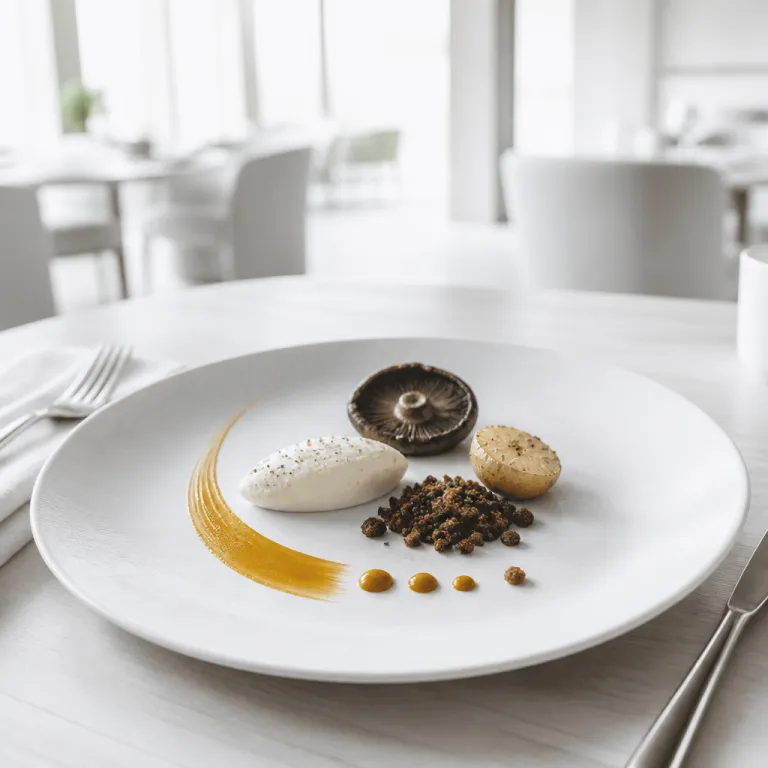
From canteen culture to Lithuania’s new fine dining language
Luxury travelers arriving in Lithuania often expect Nordic minimalism, yet the country’s finest menus speak a different dialect. The emerging lithuania fine dining tasting menu landscape is rooted in family memory, local produce and a slow food philosophy that feels deeply personal. In Vilnius, Kaunas and along the Baltic coast, chefs are turning multi course menus into quiet manifestos rather than theatrical performances.
Where Soviet era canteens once served anonymous dishes, today’s fine dining restaurants build each course sequence around named farmers, foragers and millers. A typical tasting menu in Vilnius might move from wild mushroom broth to aged cheese dumplings, then to grilled river fish with fermented rye, each plate telling a specific story about Lithuania. For hotel guests choosing a city menu for a short visit, this narrative approach transforms a simple dinner into a full dining experience that rivals better known scenes in Tallinn or Riga.
Michelin’s arrival in Lithuania has accelerated this shift, but it has not defined it. The Michelin Guide 2024 now lists multiple Lithuanian addresses, including several with one Michelin star and others with Bib Gourmand or Green Star recognition, yet the most interesting tasting menus are not chasing French orthodoxy. Instead, chefs treat the guide as validation that a Baltic country can host a starred restaurant while still cooking šaltibarščiai, serving ice cream infused with spruce tips and pairing wine with buckwheat rather than caviar.
Deep Roots in Vilnius: a family archive turned Michelin starred table
Nowhere captures this shift more clearly than Deep Roots, a small restaurant on Trakų Street in Vilnius Old Town. Head chef and owner Andrius Kubilius runs the dining room as both a personal project and a showcase for his family archive, building every tasting menu from his great grandmother Elena Starkienė’s handwritten recipes. The room seats only a limited number of guests each evening, so reservations are essential for travelers planning a short visit.
The restaurant’s slow food philosophy is uncompromising, with local produce sourced from trusted farms just outside Vilnius. Multi course tasting menus range from five courses to an extended Chef’s Table format, where up to nineteen dishes might appear in a single dining experience. Here the seasonal tasting approach is literal; if there are no wild mushrooms that week, the dish simply disappears from the menu rather than being replaced by imports.
Deep Roots has been recognized in the Michelin Guide for its focused approach to Lithuanian flavors and its intimate setting. In interviews with local media, the team describes the concept in straightforward terms: a restaurant in Vilnius offering slow food tasting menus, led by chef owner Andrius Kubilius and grounded in family recipes and regional ingredients. As Kubilius has noted in Lithuanian press, the aim is “to cook what our grandparents would recognize, but in a way that feels right for today’s guests.” For travelers staying in nearby luxury hotels, this makes Deep Roots a natural anchor for an evening in Vilnius Old Town, especially when combined with a stroll past the baroque facades and a late night wine pairing in a hotel bar.
Travelers who want to balance Michelin listed reservations with more under the radar addresses should also look at Vilnius tables outside the guide. Our feature on surprising Vilnius restaurants beyond Michelin highlights several kitchens where chefs experiment with tasting menus in more relaxed settings, ideal for a second or third night in the city.
Beyond the star: Elēno, B’ARN and the new Vilnius confidence
Michelin stars draw headlines, yet the most exciting energy in Vilnius often sits just beyond the official listings. Elēno, in central Vilnius, is a Franco Japanese restaurant from chef Martynas Meidus, where the tasting menu reads like a conversation between Paris and Tokyo held in Lithuanian. Here, a seasonal tasting might pair Baltic sea fish with miso beurre blanc, or send out ice cream perfumed with local honey and toasted buckwheat.
At B’ARN bistro, chef Arnas Petronis translates years of high end experience at Gastronomika into a more relaxed dining room. The menu focuses on creative dishes that still respect local produce, such as grilled wild mushroom with soft egg and smoked butter, or a course tasting of aged beef with beetroot three ways. Falstaff has highlighted B’ARN in its Baltic coverage, a reminder that fine dining level technique can live comfortably in a room where guests arrive straight from their Vilnius hotel without changing into formalwear.
Gaspar Fernandes at Gaspar’s adds another accent to the city menu, weaving Indian heritage into Lithuanian ingredients and earning recognition from Falstaff as one of the leading chefs in Lithuania. His tasting menus often feature spice driven dishes that still feel rooted in the Baltic climate, supported by thoughtful wine pairing flights that highlight both European classics and emerging Lithuanian producers. For travelers planning a lithuania fine dining tasting menu itinerary, our guide to Vilnius Michelin tables and practical tips is a useful planning tool, especially when coordinating restaurant bookings with premium hotel stays.
How Baltic neighbors shape Lithuania’s tasting menus
While Lithuania’s chefs are not copying Nordic playbooks, they are in constant dialogue with their Baltic neighbors. Many Vilnius kitchens host guest chefs from Tallinn and Riga, trading ideas on seasonal tasting formats, fermentation techniques and wine pairing strategies. For luxury travelers, this means a single trip can feel like a curated tour of the wider Baltic region without ever leaving Lithuania.
In Tallinn, Estonia, restaurants have long experimented with forest driven cuisine, and several Tallinn Estonia addresses now hold Michelin stars or Green Stars. Lithuanian chefs visit Tallinn to study how colleagues integrate wild mushroom, spruce and coastal herbs into tasting menus, then return to Vilnius to reinterpret those ideas through their own family recipes. The result is a generation of chefs who respect the broader Baltic language of fine dining while insisting that a Lithuanian tasting menu must still taste like rye bread, dill and cold beet soup.
Riga, Latvia, contributes a different influence, with its historic café culture and strong pastry traditions. When Lithuanian chefs stage in Riga Latvia restaurants, they often bring back ideas for lighter desserts, such as kefir based ice cream or honey cakes reimagined as deconstructed dishes on a fine dining plate. Travelers who have already eaten in Tallinn and Riga will recognize familiar Baltic ingredients on Lithuanian menus, yet the overall dining experience feels more intimate, more narrative and often more quietly confident than in larger capitals.
Designing a hotel stay around Lithuania’s tasting menus
For guests using mylithuaniastay.com to book luxury hotels, the smartest itineraries start with the plate rather than the pillow. In Vilnius, Kaunas and coastal resorts, the best properties now coordinate closely with chefs to secure tasting menu reservations, arrange transfers and even tailor spa schedules around long dinners. A well planned weekend might include one Michelin starred dining experience, one creative bistro and one more casual city menu focused on local produce.
When comparing hotels, look beyond room size to how each property engages with the local restaurant scene. Some Vilnius addresses offer guaranteed tables at partner restaurants like Deep Roots or Elēno, while others curate in house course tasting menus that showcase Lithuanian dishes in a more private setting. Our guide to exclusive luxury hotel booking deals in Lithuania highlights which properties excel at this kind of gastronomic concierge service.
Budgeting also matters, especially when tasting menus, wine pairing flights and service charges accumulate over several nights. Expect a typical tasting menu person price in a top Vilnius restaurant to sit comfortably below equivalent experiences in Western Europe, even at Michelin starred level. As a practical benchmark, shorter menus often start around €60–€80 per person, while extended experiences with pairings can reach €140–€180. For many solo travelers, this relative value makes Lithuania an ideal base for a longer Baltic trip that might also include side visits to Tallinn Estonia or Riga Latvia, while still returning to Vilnius as the culinary home port.
What to expect on a Lithuanian tasting menu
A Lithuanian tasting menu usually opens with a quiet gesture rather than a showy amuse bouche. You might start with a single bite of rye crisp topped with smoked fish, or a small cup of broth infused with wild mushroom and herbs. From there, the menu often moves through vegetables, grains and river fish before touching meat, reflecting a countryside where local produce has always been the real luxury.
Seasonal tasting structure is key, with spring bringing first greens, summer anchored by šaltibarščiai culture and autumn dominated by forest flavors. Many chefs treat cold beet soup as a non negotiable seasonal marker, serving it in tasting menus as a refined course tasting rather than a rustic bowl, sometimes paired with a crisp white wine or even a chilled red. Desserts often avoid heavy sugar, leaning instead on berries, honey and dairy, with ice cream appearing in multiple textures and temperatures.
Service in Lithuania’s fine dining rooms tends to be warm, direct and refreshingly unpretentious. Staff explain dishes with precision, referencing specific farms and foragers, yet they rarely over perform the story. Listen for the phrase “pas mus” — literally “at our place” — which servers use when describing how things are done here, a small linguistic reminder that you are being welcomed into a house with its own rules, rhythms and tastes.
FAQ
Is Deep Roots suitable for solo travelers staying in Vilnius hotels ?
Yes, Deep Roots works very well for solo guests, especially those staying in nearby luxury hotels in Vilnius Old Town. The intimate room and focused tasting menus make it easy to relax at the counter or a small table, and staff are used to explaining dishes in detail for curious travelers. Just reserve early, as the limited number of menu person seats fills quickly.
How far in advance should I book Michelin starred restaurants in Lithuania ?
For Michelin starred addresses in Vilnius, booking two to three weeks ahead is usually enough outside peak holidays. If you want the Chef’s Table or a specific time slot at Deep Roots or similar restaurants, reserve as soon as you confirm your hotel. Non starred creative bistros often have more flexibility, but weekend evenings still require advance planning.
Are Lithuanian tasting menus suitable for vegetarians ?
Many Lithuanian restaurants can adapt their tasting menus for vegetarians, especially those already focused on local produce and seasonal tasting formats. You should always mention dietary preferences when booking, as some kitchens need time to design parallel dishes. Vegan menus are less common but possible at a few fine dining addresses with strong vegetable programs.
What is a typical price range for a fine dining tasting menu in Vilnius ?
Prices vary by restaurant, but a multi course tasting menu in a top Vilnius dining room usually costs less than comparable experiences in Western Europe. You can expect shorter menus to start around the mid double digits in euros, with extended tasting menus and wine pairing flights increasing the total. Michelin starred restaurants sit at the upper end of this range, while high quality bistros offer more accessible city menu options.
Can hotel concierges help with last minute tasting menu reservations ?
Many luxury and premium hotels in Lithuania maintain close relationships with leading restaurants and can sometimes secure last minute tables. Success depends on the night and the size of your party, but it is always worth asking your concierge before giving up. For the most in demand tasting menus, however, advance planning remains the safest strategy.
Sources
Falstaff (Baltic restaurant coverage), Michelin Guide 2024 (Estonia, Latvia, Lithuania), Made in Vilnius (local interviews and restaurant profiles)