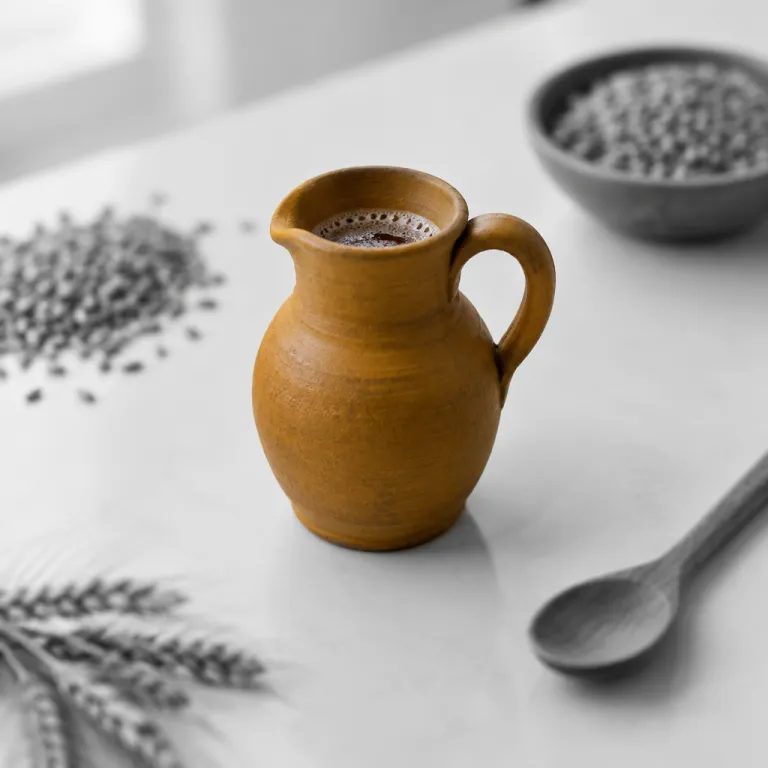
Why Lithuanian farmhouse ales matter for luxury travelers
In Lithuania, lithuanian farmhouse ales craft beer is not a trend. It is a living brewing tradition where each farmhouse treats beer as food, hospitality and quiet pride in the country’s rural culture. For a luxury traveler, tasting lithuanian farmhouse ales craft beer alongside seasonal cuisine can feel more intimate than any white tablecloth dinner.
Unlike many European countries where industrial breweries dominate, Lithuania still has families practicing traditional farmhouse brewing at home scale. These brewers work with raw ale methods, local yeast and ingredients that rarely appear in urban beers, creating flavors that feel both rustic and unexpectedly refined. When you plan a stay through a premium hotel booking website, you can now filter for properties that curate lithuanian farmhouse ales craft beer tastings or private visits to nearby farmsteads.
The term kaimiškas alus refers to lithuanian farmhouse beer brewed outside industrial systems. This farmhouse ale style often skips boiling wort, relies on ale yeast harvested from previous batches and uses hop tea rather than heavy hopping. For guests used to polished craft beers, these farmhouse ales can be a revelation in texture, mash character and flavor depth.
Inside the raw ale tradition: from mash tun to glass
The heart of lithuanian farmhouse ales craft beer lies in the raw ale technique. Here, brewers run off sweet wort from the mash and cool it without boiling wort, preserving grain flavor and softening bitterness. The result is an ale with silky body, gentle carbonation and a flavor profile that feels closer to fresh bread than to typical beers.
Many farmhouse brewing families in Lithuania use bread yeast or house ale yeast rather than laboratory strains. This yeast choice, combined with hop tea made from low bitterness hops, gives lithuanian beer a rounded, herbal character that pairs beautifully with local dishes in high end hotel restaurants. When you book a design forward property in Vilnius or Kaunas, ask the concierge to arrange a guided tasting focused on raw ale and lithuanian farmhouse styles rather than only international craft beers.
Beer writer Lars Marius Garshol, often cited simply as Lars Marius, helped international brewers understand how unique this brewing process remains. His fieldwork with farmhouse ales and farmhouse brewing in Lithuania highlighted how brewers still manage ingredients by touch, aroma and memory rather than digital thermometers. Before an evening reservation, reading his work can deepen your appreciation when a sommelier presents kaimiškas ales alongside a tasting menu inspired by the country’s brewing traditions and seasonal produce, ideally after a slow afternoon exploring Vilnius’ third wave coffee scene through this guide to Lithuania’s booming coffee culture.
Biržai, Pakruojis and the farmhouse ale heartland
For travelers serious about lithuanian farmhouse ales craft beer, the map points north. The Biržai district is widely regarded as Lithuania’s farmhouse capital, with a dense concentration of small breweries and families brewing beer in ways that predate modern brewing process textbooks. Here, the landscape of rolling fields and wooden homesteads mirrors the unpolished yet layered flavors in the glass.
Nearby, the Pakruojis region has become synonymous with pakruojis lithuanian farmhouse brewing, especially through strains like WLP Pakruojis that some international brewers now use. Staying at Pakruojis Manor or similar heritage properties lets you sleep inside the story, then walk to outbuildings where brewers still manage mash temperatures by hand and ferment ales in old timber spaces. Ask your host to arrange a tasting of Jovaru Alus, one of the most referenced lithuanian farmhouse beers, to understand how yeast and local ingredients shape both aroma and texture.
Urban travelers based in Vilnius or Kaunas can still engage with this countryside brewing tradition without renting a car. Several city breweries now share collaborations with Biržai and Pakruojis brewers, pouring farmhouse ales alongside modern IPAs and lagers. Pair these tastings with a reservation at a fine dining restaurant highlighted in this overview of Lithuania’s Michelin level kitchens, where chefs increasingly use hop tea reductions, ale yeast breads and lithuanian beer glazes in their menus.
Where beer meets hospitality: hotels curating farmhouse experiences
Luxury hotels in Lithuania are starting to treat lithuanian farmhouse ales craft beer as a cultural asset, not just a drink. In Vilnius, several five star properties now offer curated beer flights that move from clean pilsners to raw ale, farmhouse ales and finally to midus, the country’s traditional honey wine. This progression helps guests understand how brewing traditions intersect with broader Lithuanian flavors, from forest honey to rye bread.
Outside the capital, rural manors and spa retreats are integrating farmhouse brewing into their guest experiences. Some properties near Biržai and Pakruojis arrange half day visits where small groups can watch brewers preparing mash, infusing juniper branches, managing ale yeast and cooling wort in open vessels. These visits usually end with a shared table, where hosts pour lithuanian farmhouse beers alongside local cheeses, smoked fish and seasonal vegetables, creating a slow, generous rhythm that suits high end yet understated travel.
Environmentally minded travelers can look for properties that align beer culture with sustainability, such as those highlighted in this guide to luxury eco hotels in Lithuania. Many of these hotels prioritize local ingredients in both kitchen and bar, meaning lithuanian beer from nearby breweries appears on tap rather than imported brands. When booking, ask whether the property works with farmhouse brewers, uses hop tea or ale yeast in its bread program, or offers spa rituals that incorporate beer based treatments.
Planning your farmhouse ale journey: etiquette, tastings and midus
Approaching lithuanian farmhouse ales craft beer as a guest requires a little etiquette. Farmhouse hosts in Lithuania often see their brewing tradition as part of family identity, so they appreciate visitors who show curiosity about ingredients, yeast and brewing process rather than chasing high alcohol beers. A simple offer to share stories about your own country’s beer culture can open generous conversations.
When tasting, expect flavors that differ from standard European countries’ lagers or American craft IPAs. Raw ale often carries soft sweetness, low carbonation and subtle hops, while some farmhouse ales show gentle smoke, juniper or rustic grain notes from the mash. Many brewers will pour lithuanian beer in simple glassware, focusing attention on flavor and texture rather than presentation, and they may also offer midus, the traditional Lithuanian mead made from honey and water, which pairs beautifully with cheeses and desserts in luxury hotel bars.
Global beer connoisseurs now travel specifically for these experiences, guided in part by writers like Marius Garshol, whose work under the name Lars Marius has mapped farmhouse brewing across the region. His documentation of Jovaru Alus, WLP Pakruojis yeast and other lithuanian farmhouse strains has inspired brewers brewing beer in cities from Oslo to Portland. For the solo explorer, weaving these tastings between spa afternoons, design focused hotels and slow restaurant dinners turns a simple beer trip into a layered journey through Lithuania’s countryside, kitchens and quietly ambitious hospitality scene.
FAQ
What makes Lithuanian farmhouse ale different from other beers ?
Lithuanian farmhouse ale often uses raw ale techniques, meaning the wort is not boiled, which preserves grain character and creates a softer mouthfeel. Many brewers rely on house yeast or bread yeast, plus hop tea instead of heavy hopping, giving gentle bitterness and herbal notes. These methods, combined with local ingredients and small scale brewing, produce flavors that feel closer to fresh bread and fields than to typical industrial beers.
Can I visit farmhouse brewers as an independent traveler ?
Independent travelers can visit some farmhouse brewers, especially around Biržai and Pakruojis, but visits usually require advance arrangement. Many brewers operate on a family scale, so they welcome small, respectful groups rather than drop in crowds. Your hotel concierge or a specialist tour operator can help coordinate tastings and ensure that timing, language and transport are handled smoothly.
Are Lithuanian farmhouse ales available in Vilnius and Kaunas ?
Yes, several bars and breweries in Vilnius and Kaunas pour Lithuanian farmhouse inspired beers, sometimes brewed in collaboration with rural producers. You will often find at least one kaimiškas style ale or a raw ale interpretation on tap in venues focused on local products. Asking staff specifically about farmhouse brewing traditions usually leads to more targeted recommendations.
How strong are Lithuanian farmhouse beers ?
Alcohol levels vary, but many Lithuanian farmhouse beers sit in a moderate range similar to classic European ales. Because raw ale can taste soft and slightly sweet, it may feel lighter than its actual strength. When tasting at farmsteads or hotel bars, ask for alcohol by volume details and pace yourself, especially if you are also sampling midus, the traditional honey based drink.
Do luxury hotels in Lithuania offer beer focused experiences ?
Several luxury and premium hotels now curate beer focused experiences, from guided tastings of Lithuanian farmhouse ales to day trips to rural breweries. Some properties integrate beer into their culinary programs, using ale yeast in bread, hop tea in sauces or lithuanian beer in dessert pairings. When booking, look for hotels that highlight local gastronomy and ask specifically about farmhouse ale or kaimiškas alus experiences.