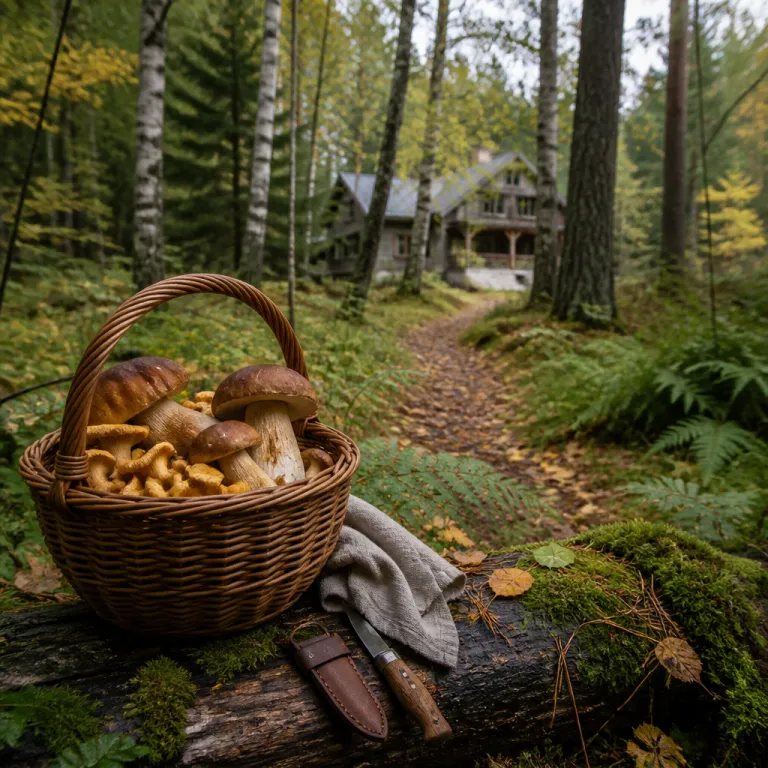
Why mushroom season shapes Lithuanian identity and family travel
Mushroom season in Lithuania is not a trend for weekend visitors, it is a quiet ritual that shapes how families move through late summer and autumn. Across the country, mushroom picking in the forest sits beside berry gathering and potato harvest as a core expression of food culture and intergenerational memory. When you book a luxury stay here, you are stepping into a world where wild mushrooms are treated as both everyday food and highly prized symbols of care.
Ask any Lithuanian guest at a country estate and they will recall childhood mushroom hunting trips, when grandparents pointed out each mushroom species and explained which edible fungi were safe and which to avoid. Those early modern style lessons in the field still matter, because mushroom consumption is never casual here and every cap is checked, cleaned and carefully retrieved before it reaches the kitchen. For premium family travellers, joining these walks with expert mushroom hunters turns a simple outing into a living field guide to Lithuanian identity.
The emotional weight is deepened by history, from periods of war and scarcity when edible mushrooms and other wild foods helped families survive. In many rural regions near the border with Poland, stories of mushroom hunting during the last century are told over soup and rye bread in manor house dining rooms. Luxury hotels now frame these narratives with polished service, but the heart of lithuania mushroom foraging culinary culture remains the same ; the forest is the pantry and the table is where those memories are plated.
The Lithuanian foraging calendar and where hotels send you
When the first cool nights arrive, hotel concierges in Vilnius and Druskininkai start checking forest reports the way others track big game sightings. Lithuania’s foraging calendar is precise ; different mushroom species appear in waves, and the best mushroom hunting experiences follow those rhythms rather than fixed dates. Families booking premium rooms increasingly ask not only for spa slots, but also for guidance on which forests are producing the finest edible mushrooms that week.
Early in the season, guides focus on chanterelles and the first milk caps, leading guests into airy pine forest stands within an hour’s drive of the capital. Later, as the canopy thickens and moisture rises, more complex species mushrooms emerge, from porcini with their firm cap and nutty perfume to saffron milk caps that stain the fingers orange when sliced. In regions with strong Polish cultural ties, especially near the border with Poland, you will hear guests and guides switch between Lithuanian and Polish names for fungi as they compare notes on mushroom picking traditions.
Top hotels work with certified foragers who carry laminated field guides and digital field guide apps, cross checking every mushroom retrieved before it goes into a basket. These experts explain why fly agaric, with its red cap and white spots, is admired as an original forest icon but never part of responsible mushroom consumption. After the walk, many properties channel their knowledge of off the radar dining into recommendations, often pointing guests toward refined local tables highlighted in guides to Vilnius’s most surprising restaurants outside the Michelin circuit, such as those featured in this curated overview of remarkable non Michelin dining in Vilnius.
From forest to plate: how chefs elevate wild mushrooms
Once baskets are full, the real lithuania mushroom foraging culinary story begins in the kitchen, where chefs treat wild mushrooms with the same respect they give dry aged beef or Baltic turbot. In luxury hotels from Vilnius to the Curonian Spit, tasting menus often pivot around a single mushroom species, allowing guests to follow its texture and flavour through several courses. For families, this is where children see how a humble mushroom retrieved from the forest becomes a polished plate in a candlelit dining room.
Classic dishes remain central ; think barley porridge enriched with sautéed wild mushrooms, or potato dumplings filled with finely chopped milk caps and served with cultured cream. At the higher end, chefs play with saffron milk caps in veloutés, or shave dried edible fungi over venison, creating a Baltic answer to truffle driven cuisine. Some properties even offer side by side tastings that compare mushroom consumption in Lithuania and neighbouring Poland, highlighting subtle differences in seasoning, smoking and preservation that have evolved since the last century.
Urban hotels in Vilnius now weave this forest narrative into broader gastronomic itineraries that might start with a mushroom focused lunch and end with a late evening exploration of the city’s third wave cafés, such as those mapped in this guide to Lithuania’s booming coffee scene. In spa resorts, nutrition focused menus use lighter mushroom dishes to anchor wellness programs, pairing grilled milk cap skewers with herbal infusions and raw honey. Across these experiences, chefs act as living field guides to edible mushrooms, translating the knowledge of mushroom hunters into plates that feel both original and deeply rooted in place.
Hotel foraging packages: wellness, play and quiet luxury
Across Lithuania, luxury hotels and countryside retreats are building curated mushroom hunting packages that sit at the intersection of wellness, gastronomy and slow travel. A typical weekend might start with a gentle yoga session, followed by a guided walk into nearby forest trails where guests learn to identify mushroom species and other edible plants. For premium family travellers, this balance of activity and calm turns the forest into a safe, open air classroom.
Many properties near national parks now offer lithuania mushroom foraging culinary stays that include transfers to less crowded picking areas, rubber boots for children and woven baskets for each guest. Guides carry detailed field guides and share stories of how, during times of war or economic hardship, wild mushrooms and berries helped sustain rural communities when other food supplies were disrupted. Back at the hotel, cooking classes show how to clean each cap, how to dry or pickle fungi for winter, and how to pair wild mushrooms with local grains, freshwater fish or game.
Environmentally conscious travellers will notice that the best addresses treat the forest as a partner rather than a backdrop, aligning their foraging offers with broader commitments to sustainable hospitality such as those highlighted in this feature on luxury eco hotels in Lithuania. Some retreats time their calendar around a regional mushroom festival, turning a quiet village into a weekend hub of tastings, music and guided walks. Others keep things deliberately low key, limiting group sizes to protect fragile species mushrooms and to ensure that every mushroom retrieved is checked by an expert before it enters the hotel kitchen.
Practical guidance for guests: safety, etiquette and wider foraging culture
Planning a lithuania mushroom foraging culinary trip starts with understanding that the forest is both generous and regulated. Visitors are generally welcome to walk and forage in many public woodlands, but responsible mushroom picking means respecting local rules, protected areas and private land boundaries. Luxury hotels help by arranging licensed guides who know which zones are open, which mushroom species are currently abundant and which edible fungi should be left untouched for ecological reasons.
Safety is non negotiable ; never eat a mushroom unless a qualified expert has confirmed it as one of the region’s recognised edible mushrooms. Guides will show you how to examine the cap, gills and stem, and how to distinguish safe milk caps or saffron milk caps from lookalikes that can cause illness. They also explain why iconic fly agaric, while visually striking and often featured in children’s books, is not part of modern mushroom consumption and should remain a photographic subject rather than a culinary experiment.
Beyond fungi, many hotels frame foraging within a broader food from the land philosophy that includes berry picking, wild herb gathering and visits to small apiaries for raw honey tastings. Families learn how early modern communities treated the forest as a year round pantry, adjusting their consumption of mushrooms, berries and other wild foods according to season and need. Packing is simple ; waterproof footwear, layered clothing, a small backpack and curiosity are enough, while your hotel provides baskets, field guides and, increasingly, access to a quiet library corner where children can browse illustrated books about mushroom hunting traditions in Lithuania and neighbouring Poland.
FAQ
When is the best time for mushroom hunting in Lithuania ?
The main mushroom season in Lithuania usually runs from late summer into mid autumn, with exact timing depending on rainfall and temperature. Early weeks favour chanterelles and some milk caps, while later weeks bring more porcini and other wild mushrooms. Luxury hotels monitor local conditions and can advise you on the best dates for mushroom hunting near their properties.
Is it safe for beginners to join mushroom picking trips ?
Yes, provided you only forage with certified guides or experienced mushroom hunters who know local mushroom species well. Reputable hotels work with experts who use both printed field guides and digital tools to verify every mushroom retrieved before it is cooked. As a rule, you should never eat a mushroom that has not been checked by a specialist in edible fungi.
Can children take part in hotel foraging experiences ?
Many premium family friendly hotels in Lithuania design their mushroom picking outings specifically with children in mind. Guides focus on simple identification tips, forest etiquette and the joy of finding a perfect cap rather than on complex taxonomy. Safety remains strict ; adults carry the baskets, and only confirmed edible mushrooms are handled in post walk cooking sessions.
What should I wear and bring for a foraging excursion ?
Plan for layered clothing, waterproof or sturdy footwear and a light jacket, as forest conditions can shift quickly. Most luxury hotels provide baskets, basic field guides and sometimes rain ponchos, so you rarely need specialist gear. A small backpack for water, snacks and a camera is useful, especially if you are travelling with children who may tire before the baskets are full.
How do Lithuanian mushroom traditions compare with those in Poland ?
Lithuania and Poland share a long history of mushroom hunting, and many rural families on both sides of the border use similar recipes and names for wild mushrooms. You will notice subtle differences in preservation methods and seasoning, with some Polish influenced regions favouring stronger pickling brines or smoked preparations. Hotels in these areas often highlight this shared heritage, offering menus and storytelling that trace how mushroom consumption evolved through the last century and periods of war.