Why the Lithuanian pirtis bathhouse ritual stands apart
The Lithuanian pirtis bathhouse ritual is the country’s most intimate wellness tradition. For luxury travelers used to Finnish saunas or Russian banyas, this Lithuanian experience feels gentler, more aromatic, and quietly spiritual. It is where heat, water, steam and forest scents work together on the body and mind.
In a classic Finnish sauna the focus is on very hot dry air, while the Lithuanian sauna balances softer steam with carefully staged rituals that respect the body soul connection. Russian banya culture can be louder and more vigorous, yet the traditional Lithuanian pirtis tradition tends to be slower, with more attention to breath, herbal infusions and emotional space for people. Estonian smoke sauna practices share the use of wood fired heat and smoke, but Lithuanian pirtis adds its own vocabulary of bath whisks, beer pours and honey masks that feel distinctly Baltic.
For couples planning Lithuania travel through a premium hotel lens, the pirtis ritual is not an optional extra. It is the one place where the country’s forest rich landscape, pagan echoes and contemporary wellness thinking meet in a single steam ritual. When a skilled sauna master leads the session, the sauna experience becomes a curated journey rather than a simple hot room with water and benches.
The vanta art: whisks, seasons and the role of the sauna master
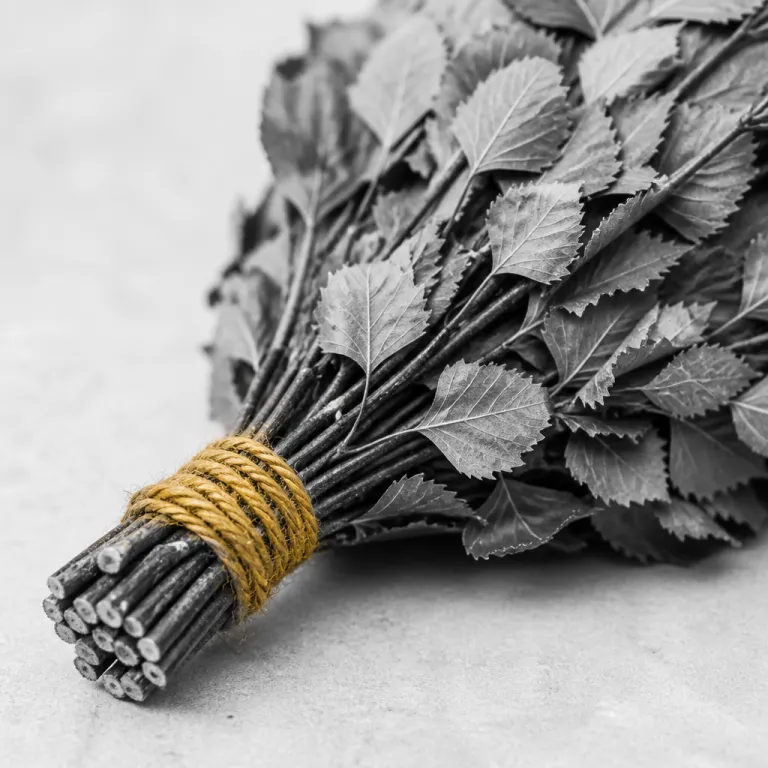
At the heart of every Lithuanian pirtis bathhouse ritual stands the vanta, the bath whisk made from birch, oak or sometimes maple branches. These whisks are not props ; they are natural materials chosen for specific effects on the skin, circulation and nervous system. A well prepared bath whisk feels almost like a warm animal pelt when soaked, heavy with water and forest oils that glide across the body.
In summer, Lithuanian sauna houses often use fresh green birch whisks, their leaves releasing a bright, almost citrus aroma during the steam bath phase. In colder months, dried whisks are revived in hot water, sometimes infused with herbs, creating a deeper, more resinous scent that suits the slower winter rituals. The sauna master, or pirties meistras, controls the steam, the rhythm of the strokes and the alternation between hot air and cool water, turning simple saunas into choreographed rituals for couples or small groups of people.
Luxury hotels that take pirtis tradition seriously will brief guests carefully before the first session. You might be invited to lie on a wooden bench while the sauna master layers steam, then uses one or two bath whisks in sweeping, tapping and compressing motions along the spine and limbs. For travelers interested in seasonal culture, pairing a pirtis session with a midsummer celebration such as a refined Joninės in Lithuania experience at a high end property, as curated on this midsummer luxury guide, creates a powerful sense of place.
Beer, honey, herbs and smoke: sensory layers of the pirtis
The Lithuanian pirtis bathhouse ritual is as much about scent and taste as about heat. Traditional Lithuanian hosts often bring local beer, raw honey and wild herbs into the sauna house, using them in ways that feel both playful and deeply rooted in rural life. This is where the line between wellness treatment and social gathering blurs in the most elegant way.
During a classic steam ritual, the sauna master may pour dark beer over the hot stones, adding a malty aroma to the steam bath that wraps around the body. Honey can be massaged onto warm skin as a natural scrub, sometimes mixed with salt or finely ground herbs, then gently rinsed with cool water for a soft, luminous finish. In some smoke sauna settings, where the room is heated by a wood stove without a chimney, the lingering scent of smoke combines with herbal infusions to create one of the most atmospheric sauna experiences in the Baltic region.
For couples planning Lithuania travel along the coast, some premium properties near Klaipėda pair pirtis sessions with maritime experiences and refined seafood dinners. A stay timed around a major maritime celebration, highlighted in this guide to Lithuania’s sea festival and maritime heritage, can include both a smoke sauna evening and a tasting of local beers used in the bath rituals. The result is a layered journey where the bath, the table and the landscape speak the same language.
Where luxury travelers can experience authentic pirtis in Lithuania
For guests booking through a luxury and premium hotel platform, the key question is where to find a genuinely Lithuanian pirtis bathhouse ritual rather than a generic spa sauna. In Vilnius, several high end hotels now integrate small, carefully designed sauna houses that can be reserved privately for couples, often with a dedicated sauna master on request. These urban saunas tend to be more minimalist, yet the best ones still use natural materials such as local stone, untreated wood and linen textiles to keep the experience grounded.
Outside the capital, rural estates and forest lodges offer more expansive pirtis tradition settings, sometimes with direct access to lakes or rivers for cold plunges. Here the Lithuanian sauna is often a separate building, a sauna house with a terrace, a firepit and a path leading down to the water, turning the ritual into an evening long event. Some properties collaborate with independent experts and training initiatives sometimes referred to as a bath academy, where sauna masters refine techniques for international bath standards while staying loyal to traditional Lithuanian practices.
Couples who care as much about food as about wellness can pair a private pirtis session with a chef’s table that celebrates local produce and Baltic flavors. A useful starting point is this curated guide to Vilnius’s most surprising fine dining tables outside the Michelin guide, which helps you align your sauna experience with memorable dinners. When your day moves from steam bath to tasting menu without leaving the property, Lithuania’s quiet luxury feels both effortless and deeply intentional.
A living tradition: revival, etiquette and how to prepare
The Lithuanian pirtis bathhouse ritual is not a museum piece ; it is a living culture that younger Lithuanians are actively reclaiming. Across Lithuania, new generations of sauna masters are blending inherited knowledge with contemporary wellness science to create a healthy sauna approach that respects both body and environment. Some practitioners reference international bath communities, yet they keep the focus on local forests, water and social rituals that feel unmistakably Lithuanian.
For luxury travelers, understanding etiquette transforms the sauna experience from awkward to deeply rewarding. Expect shared nudity or minimal swimwear, depending on the place and the group, and always ask your host about local norms before entering the steam room. Hydrate well, avoid heavy meals and alcohol beforehand, and remember that the goal is to listen to your body, alternating hot phases in the pirtis with cool water plunges or outdoor air until you feel both grounded and light.
Some Lithuanian sauna circles reference figures such as Musa Gonga or Ivanas Musa when discussing advanced techniques and the teaching of pirtis tradition to a wider audience, often through workshops that resemble a modern bath academy. While these names may not appear on hotel brochures, their influence can be felt in the way certain sauna houses choreograph steam rituals, use bath whisks and speak about body soul balance. When you choose properties that work with such trained experts, your Lithuanian pirtis experience becomes not just relaxing, but a masterclass in how natural materials, water, heat and human touch can create a quietly transformative ritual.
FAQ
How is the Lithuanian pirtis different from a regular hotel sauna?
A standard hotel sauna usually offers dry heat and little guidance, while the Lithuanian pirtis bathhouse ritual is a structured sequence led by a trained sauna master. You move through stages of warming, steam, bath whisk massage and cooling, often with herbs, honey or beer used on the skin. The focus is on a full body and body soul reset rather than a quick sweat before dinner.
What should couples wear during a Lithuanian pirtis session?
Dress codes vary by place, but many traditional Lithuanian sauna settings encourage nudity or simple linen towels for comfort and hygiene. In more international bath oriented hotel spas, swimwear may be accepted or required, especially in mixed gender groups. Always ask your host in advance, and bring a dry robe or warm layer for stepping outside between hot and cold phases.
How long does a full pirtis ritual usually take?
A complete Lithuanian pirtis bathhouse ritual typically lasts between two and three hours. This includes gentle warming, several steam ritual rounds with bath whisks, breaks for tea or water and time for cooling in fresh air or natural water. Luxury properties may extend the experience with massages or quiet relaxation rooms afterward.
Is the pirtis suitable for guests who are new to saunas?
Yes, when guided by an experienced sauna master, the Lithuanian sauna can be very accessible for beginners. The heat is usually moderated with steam and breaks, and you are encouraged to leave the room whenever your body needs rest. Guests with medical conditions should consult a doctor before intense heat exposure and inform the host about any concerns.
When is the best season to experience pirtis in Lithuania?
The Lithuanian pirtis bathhouse ritual works year round, but the feeling changes with the seasons. In summer, you may enjoy fresh green whisks and lake swims at dusk, while winter sessions feel more introspective, with snow, ice cold water and darker smoke sauna atmospheres. Many luxury travelers plan Lithuania travel to include both cultural events and at least one pirtis evening, regardless of the month.