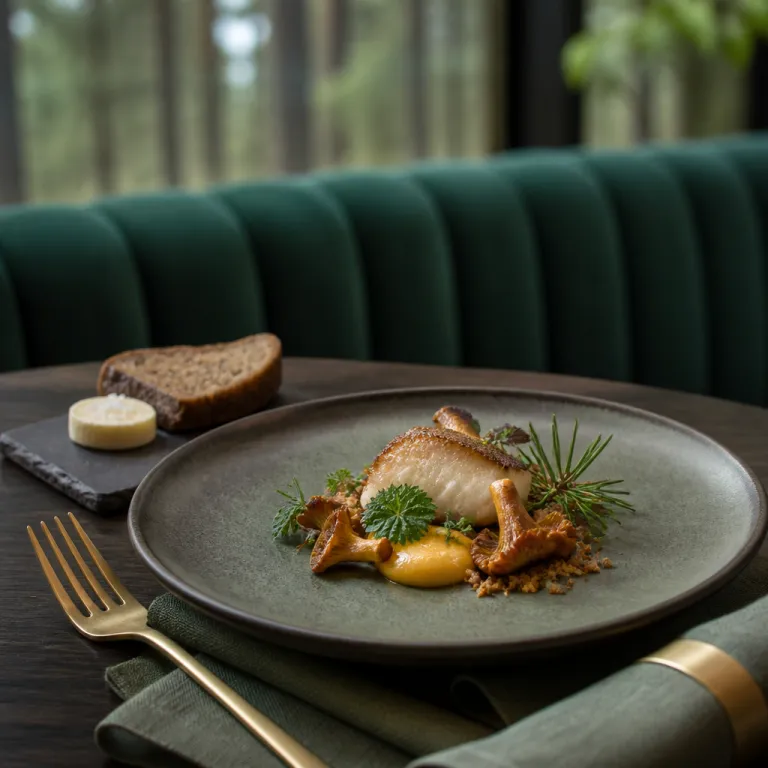
How Lithuania’s luxury hotel dining pipeline is quietly evolving
Luxury travelers booking in Lithuania increasingly expect refined food as a central part of their stay. The country’s high-end hotels have responded with a carefully managed, mostly invisible gourmet pipeline that shapes every experience from sourcing to service. This end-to-end process connects local producers, hotel kitchens, and guest expectations into one coherent culinary journey that now rivals established gastronomic destinations across Europe.
In Vilnius, properties such as Grand Hotel Kempinski Vilnius and Hotel Pacai have elevated their restaurants into destination venues for both guests and locals. Their teams work within a structured culinary pipeline of seasonal menu planning, sommelier pairings, and chef collaborations that align with Lithuania’s growing reputation for modern Baltic cuisine. As one Vilnius executive chef notes, “We plan menus six months ahead with our farmers and fishermen, then refine dishes weekly based on what actually arrives at the back door.” For travelers, this means that booking a premium room increasingly guarantees access to a dining program that rivals major European capitals.
Across Kaunas, Klaipėda, and the Curonian Spit, luxury and premium hotels now treat gastronomy as a strategic asset rather than a simple amenity. Guests choosing suites or executive floors often receive priority access to chef’s tables, terrace tastings, or private breakfasts overlooking historic streets or riverfronts. At one seaside property near Palanga, for example, suite guests are offered an early-morning fisherman’s breakfast featuring just-landed Baltic herring and still-warm rye bread. A recent guest described how the chef came out to explain which harbor the catch came from and how it had been salted that morning. This shift has turned the hotel restaurant from a backup option into a primary reason to choose one property over another.
From farm to fine dining plate in Lithuanian luxury hotels
The most compelling gourmet experiences in Lithuanian hotels start long before a guest sits down at the table. Many executive chefs operate within a farm-to-table pipeline that begins with relationships to small farms, Baltic fishermen, and foragers who supply mushrooms, berries, and herbs. This integrated approach ensures that menus reflect the country’s forests, lakes, and coastline with precision rather than marketing slogans, and it allows hotels to showcase traceable, seasonal Lithuanian produce in a fine-dining context.
At high-end properties in Vilnius and on the Curonian Spit, tasting menus often highlight cep mushrooms, cold-water fish from the Baltic Sea, and rye-based breads baked in house. A typical autumn menu might pair juniper-smoked trout with pickled beetroot, followed by venison with fermented lingonberries and roasted root vegetables, with a five-course tasting menu commonly priced between €65 and €90 per person. Guests who care about provenance can usually trace each course back through a transparent chain of suppliers, preparation methods, and preservation techniques such as smoking or fermenting. For travelers planning a stay around gastronomy, this clarity makes it easier to compare hotels based on more than star ratings or room photos.
Slow food principles are increasingly visible in hotel restaurants that collaborate with Lithuania’s new generation of chefs. If you want to understand how these chefs are rethinking tasting menus through a local lens, the in-depth guide on slow food and Lithuania’s chefs is clearly positioned as background reading rather than a commercial offer. Armed with that knowledge, you can evaluate whether a hotel’s culinary narrative is genuinely rooted in place or simply borrowing fashionable language. This level of preparation helps ensure that your chosen property delivers the depth of flavor and authenticity you expect.
Gourmet experiences for business travelers and power diners
Not every guest arrives in Lithuania with time for long tasting menus and extended wine pairings. Business travelers often need gourmet experiences that fit between meetings while still reflecting the country’s culinary strengths. Luxury hotels in Vilnius and Kaunas have responded by building a streamlined service pipeline that supports both efficient timing and refined cooking, with concierges treating restaurant reservations as strategically as room upgrades or late checkouts.
Executive lunch menus at leading properties typically compress the full restaurant experience into two or three courses served within a predictable timeframe. A common format might include a starter of Baltic fish tartare, a main course built around seasonal vegetables and grilled meat or fish, and a light dessert, all served in under 60 minutes and usually priced from about €18 to €30. This structure allows corporate guests to maintain tight schedules while still sampling Baltic fish, seasonal produce, and carefully selected wines or non-alcoholic pairings. For those planning client lunches or discreet negotiations, the guide to where executives eat between meetings in Vilnius is presented as an informational resource rather than a promotional offer, and typical lead times for prime lunch reservations range from same-day to 48 hours.
When you book a premium room, it is worth asking how the property’s internal dining process handles priority seating, private dining rooms, or last-minute changes. One Vilnius concierge, for instance, might hold a small number of prime tables for in-house guests attending last-minute negotiations, while another will flag dietary requirements directly to the kitchen brigade. This proactive approach ensures that your business agenda and culinary expectations align, rather than competing for limited time, and it reduces the risk of fully booked dining rooms disrupting carefully planned schedules.
Designing a stay around tasting menus and chef interactions
Some travelers choose their Lithuanian hotel primarily for its restaurant rather than its spa or location. For these guests, the most rewarding stays follow a carefully sequenced itinerary that integrates check-in times, tasting menu reservations, and post-dinner relaxation. Planning this flow in advance allows the culinary experience to unfold without stress or rushed transitions, especially in properties where popular restaurants can book out several days ahead.
In Vilnius, high-end properties often offer packages that combine accommodation with multi-course dinners, wine pairings, and late breakfast the following morning. When evaluating such offers, look beyond headline inclusions and ask how the hotel structures its internal operations for guest flow, kitchen timing, and sommelier availability. A well-organized operation will be transparent about seating times, menu length, and any flexibility for dietary requirements. Some restaurants will even suggest ideal arrival times to allow for an unhurried aperitif at the bar before the first course, and many recommend booking tasting menus at least three to seven days in advance for weekend evenings.
Guests who value interaction with chefs should request counter seating, open kitchen views, or brief kitchen tours when booking. These experiences are easier to arrange when the hotel’s reservation team understands your priorities early in the planning process for your stay. Clear communication at the booking stage often leads to more personalized touches at the table, from off-menu tastings to tailored wine suggestions or a short visit from the head chef between courses, turning a standard dinner into a more immersive culinary encounter.
Regional flavors beyond Vilnius: coastal and countryside hotels
While Vilnius concentrates many of Lithuania’s headline restaurants, coastal and countryside hotels offer equally compelling gourmet experiences. Properties near Klaipėda, Palanga, and the Curonian Spit often build their menus around Baltic fish, smoked eel, and dune-grown herbs. Their supply chain typically starts at local harbors and markets before moving into compact but ambitious hotel kitchens, where chefs adapt the day’s catch into refined plates that still feel closely connected to the sea.
Inland, manor-style hotels and spa resorts highlight game, forest mushrooms, and traditional grain dishes reinterpreted with modern techniques. A countryside retreat might serve slow-braised wild boar with buckwheat and chanterelles, or a delicate dessert of honey cake with sea buckthorn sorbet. Guests who value quiet surroundings and nature access can still expect refined plating, thoughtful wine lists, and attentive service. When comparing options, consider how each property’s culinary concept connects its immediate landscape to what appears on your plate at dinner, and whether the menu changes with the same rhythm as the surrounding fields and forests.
Seasonality plays a decisive role in these regional experiences, with menus shifting as berries, mushrooms, and freshwater fish come into peak condition. Travelers who return at different times of year often find entirely new interpretations of familiar ingredients. This dynamic approach rewards guests who plan repeat stays or longer itineraries that combine city and countryside hotels, allowing them to experience spring herbs, summer berries, autumn game, and winter preservation traditions in turn, all within the framework of Lithuania’s evolving luxury hotel dining scene.
How to choose the right Lithuanian hotel for gourmet priorities
Selecting a luxury or premium hotel in Lithuania becomes easier when you treat dining as a core decision factor. Start by examining whether the property presents its restaurant as a genuine flagship or as a secondary service. A clear description of the culinary concept, chef background, and sourcing philosophy usually signals a mature food-and-beverage strategy behind the scenes, and recent awards or media coverage can further validate a hotel’s gastronomic ambitions.
Next, look for signs of integration between rooms, spa, and dining, such as in-room tasting menus, wine-themed packages, or chef-curated minibar selections. These details indicate that the hotel views gastronomy as part of the overall guest journey rather than an isolated department. For a broader view of how different properties structure their offers, the guide to luxury hotel booking deals and premium stays in Lithuania is best read as a comparative overview rather than an advertisement, helping you understand how culinary benefits sit alongside spa access, late checkouts, or room upgrades.
Finally, communicate your expectations clearly when reserving, whether you prioritize tasting menus, vegetarian options, or late-night room service with restaurant-level quality. Hotels that respond with specific suggestions and transparent information about their culinary operations usually deliver more consistent experiences. This dialogue not only refines your stay but also supports properties that invest seriously in Lithuania’s evolving gourmet landscape, encouraging further innovation in hotel-based dining.
Key figures shaping Lithuania’s luxury hotel dining scene
- According to Lithuania Travel’s tourism statistics for 2022, international tourist overnights in Lithuania exceeded 4 million, with a growing share choosing four- and five-star hotels for their stays. Travelers who opt for higher categories are more likely to seek ambitious dining programs within their accommodation, especially in Vilnius and major resort areas.
- Data from the Lithuanian Department of Statistics (Accommodation and Food Service Activities, 2022 release) indicates that accommodation and food service activities account for more than 2 percent of national GDP, underlining the economic importance of hotel-based gastronomy. This contribution reflects both overnight stays and on-site restaurant spending by local residents.
- Vilnius currently concentrates the majority of Lithuania’s five-star properties, with city hotels reporting higher average daily rates than regional counterparts, which often compete through distinctive dining concepts. Coastal and countryside hotels frequently differentiate themselves through tasting menus and strong local sourcing stories, using food to offset lower room rates.
- Industry surveys from leading hospitality consultancies show that food and beverage revenue can represent between 25 and 40 percent of total income for luxury hotels in Central and Eastern Europe, a range that aligns with patterns reported by Lithuanian operators in recent benchmarking reports. In practice, this means that a successful restaurant can significantly influence a property’s overall performance.
- Consumer research across the Baltic region, published between 2021 and 2023, consistently ranks “quality of restaurant and breakfast” among the top three factors influencing repeat stays at upscale hotels, alongside location and room comfort. Guests who feel well-fed and well-cared-for at breakfast are more likely to return and recommend a property to others.
FAQ about gourmet dining in Lithuanian luxury hotels
Are Lithuanian luxury hotel restaurants suitable for travelers with dietary restrictions ?
Most high-end Lithuanian hotels can accommodate common dietary needs such as vegetarian, vegan, gluten-free, or lactose-free preferences. Guests should inform the property at booking so the culinary team can integrate these requirements into their planning. Clear communication allows chefs to adapt tasting menus and à la carte dishes without compromising quality, and many kitchens now keep alternative ingredients on hand for this purpose.
Do you need reservations for hotel restaurants in Vilnius and other cities ?
Reservations are strongly recommended for dinner at leading hotel restaurants in Vilnius, Kaunas, and coastal resorts. Local residents often treat these venues as destination dining, which can fill prime-time slots quickly. Booking a table when you reserve your room helps secure preferred times and seating, especially on weekends or during major events and festivals, and popular venues may require three to five days’ notice for peak Saturday evenings.
How expensive are gourmet experiences in Lithuanian luxury hotels compared with Western Europe ?
Prices at Lithuania’s top hotel restaurants are generally lower than equivalent venues in Paris, London, or Berlin. Multi-course tasting menus and wine pairings often represent strong value relative to quality and service, with some properties offering weekday tasting menus at prices comparable to mid-range dinners in larger capitals. Travelers can access ambitious, chef-driven cuisine without the price levels typical of Western European fine dining.
Is it possible to enjoy local Lithuanian cuisine in hotel restaurants, or are menus mostly international ?
Many upscale hotel restaurants now focus on modern interpretations of Lithuanian and Baltic dishes rather than generic international menus. Expect to see local ingredients such as rye, beetroot, forest mushrooms, and Baltic fish presented with contemporary techniques. Some properties balance this with a few classic international options for less adventurous guests, ensuring that mixed groups can dine together comfortably.
Should I choose my Lithuanian hotel based primarily on its restaurant ?
If gourmet dining is a priority, selecting a hotel with a strong culinary reputation can significantly enhance your stay. However, it remains important to balance restaurant quality with location, room comfort, and service standards. In practice, the most satisfying stays come from properties where gastronomy complements, rather than compensates for, the overall experience, allowing you to enjoy both memorable meals and a well-rounded visit.