Luxury hotels on the Curonian Spit: Lithuania’s quiet Baltic coast escape
Curonian Spit as Lithuania’s most refined coastal escape
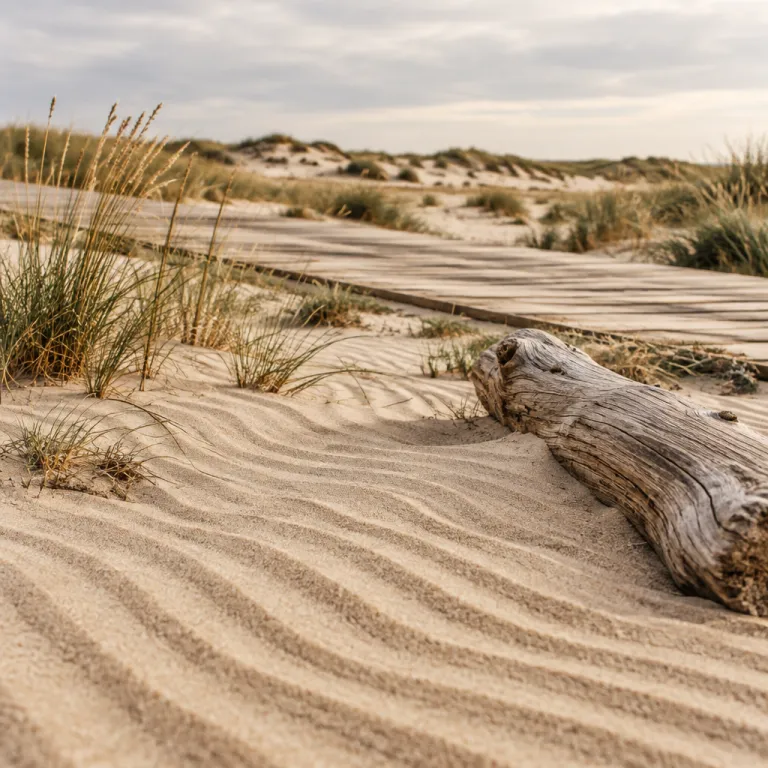
The Curonian Spit stretches for almost 100 kilometres between Klaipėda and the Kaliningrad Oblast, forming a slender ribbon of sand between the Baltic Sea and the Curonian Lagoon. This elongated peninsula feels remote yet accessible, and it has become one of the most sought-after coastal areas in Lithuania for travellers who value quiet luxury and discreet service. On the Lithuanian side, the spit offers a rare mix of protected nature, layered history, and premium hotels that understand guests who prefer space, privacy, and time to unwind.
Recognised as a UNESCO World Heritage Site since 20001, the Curonian Spit National Park protects vast sand dunes, pine forests, and traditional fishing villages that now host refined guesthouses and high-end hotels. Because this national park status limits new construction, every luxury property on the Curonian Spit coastline must work within strict nature reserve rules, which keeps the atmosphere intimate rather than overbuilt. For travellers comparing Baltic destinations, this heritage landscape stands apart from many Baltic Sea resorts in Poland or the Russian exclave, because the Curonian Spit balances conservation with carefully curated comfort.
Most visitors arrive via Klaipėda, then cross by ferry to the Lithuanian side of the spit, where the road runs south through Smiltynė, Juodkrantė, Pervalka, Preila, and finally Nida. Each settlement has its own character, yet the entire national park feels coherent, with the Baltic Sea on one side and the calm Curonian Lagoon on the other. Luxury and premium hotels tend to cluster near Nida and Juodkrantė, where the sand dunes are tallest, the sea views widest, and the atmosphere most conducive to slow travel and long walks at any time of day.
Nida and the southern Curonian Spit: where luxury meets dune landscapes
Nida is the flagship resort on the Curonian Spit, and it has long attracted writers, artists, and travellers who appreciate understated elegance. The village curves around the Curonian Lagoon, while a short walk over the sand dunes brings you to the Baltic Sea, creating a rare dual waterfront setting for high-end hotels. Many premium properties in Nida, such as boutique guesthouses along Taikos Street or spa-oriented hotels near the lagoon promenade, offer terrace suites, private saunas, and direct access to walking paths that lead into the national park.
The Parnidis Dune rises just south of Nida, and this dune is one of the most iconic viewpoints in Lithuania, with sweeping vistas over the sand, sea, and forest. From the top of Parnidis Dune, guests can see how the Curonian Spit narrows towards the border with the Kaliningrad Oblast, and understand why this fragile sand formation needed protection as a nature reserve and UNESCO-listed cultural landscape2. Luxury hotels often arrange guided walks here at sunrise or in late afternoon, when the light softens and the sand dunes glow in warm tones.
Cultural depth adds another layer of appeal to Nida, especially for travellers who value heritage sites as much as spa facilities. The former summer house of Thomas Mann, now a museum, stands above the Curonian Lagoon and offers insight into the literary history of this Lithuanian side of the spit. After visiting the Thomas Mann house, many guests return to their hotels for curated tastings of smoked fish, local wines, and seasonal produce, or they continue their journey into Lithuania’s forests with a stay in remote cabins such as those highlighted in this guide to forest cabins and wild mushroom retreats in southern Lithuania.
When to visit the Curonian Spit: seasons, light, and crowd free luxury
Choosing the right time to visit the Curonian Spit can transform a pleasant holiday into an exceptional stay. June brings long days, mild sea breezes, and blooming nature across the national park, making it ideal for guests who want to balance beach time with cycling and sailing on the Curonian Lagoon. During June, premium hotels in Nida and Juodkrantė often offer packages that combine spa treatments, fine dining, and guided excursions into the surrounding nature reserve.
October on the Curonian Spit feels very different, yet it suits travellers who prefer quiet landscapes and reflective walks along the Baltic Sea. By October, the main summer crowds have left Lithuania’s coast, and the sand dunes take on muted colours under lower light, which many photographers and couples find deeply atmospheric. Luxury hotels respond to this shift in season with more intimate experiences, such as private sauna sessions, tasting menus featuring autumn produce, and curated reading lists about Kuršių Nerija and other Baltic heritage sites.
For those considering shoulder-season travel, late summer and early autumn often provide the best balance between pleasant sea temperatures, open services, and fewer visitors. A detailed map of the Curonian Spit, available from the national park administration, helps guests plan day trips from Klaipėda or longer stays that combine the coast with inland retreats. Travellers who enjoy following seasonal advice can also consult analyses of why Lithuania in September and the weeks around it offer excellent value and calmer stays, such as this perspective on travelling in Lithuania after the main crowds leave.
How to choose a luxury hotel on the Lithuanian side of the spit
Selecting the right luxury or premium hotel on the Curonian Spit starts with understanding the geography of this narrow sand bar. Properties near Klaipėda and Smiltynė suit guests who want quick access to the city, while hotels further south towards Nida immerse visitors in the quiet of the national park and its protected nature. A good map of the Lithuanian side shows how each area relates to the Baltic Sea, the Curonian Lagoon, and the main sand dunes.
Travellers who prioritise spa facilities and full-service restaurants often gravitate towards larger hotels in Nida, where the infrastructure supports longer stays and varied dining, including refined takes on smoked fish from the lagoon. Those seeking more seclusion may prefer smaller properties near Pervalka or Preila, where the sand dunes and forest trails begin almost at the doorstep, and the sea is a short walk across the spit. In every case, it is worth checking how each hotel engages with Curonian Spit National Park rules, because responsible operations help preserve this UNESCO World Heritage Site for future guests.
Many high-end travellers now combine a coastal stay on the Curonian Spit with a forest retreat elsewhere in Lithuania, creating a multi-centre itinerary that balances sea air with woodland silence. For example, some guests pair Nida with a stay at a refined forest retreat near Vilnius, such as the property described in this overview of a forest retreat redefining what “near Vilnius” means. This approach allows visitors to experience both the maritime character of Kuršių Nerija and the inland nature reserves that make Lithuania a compelling destination beyond its coastline.
Nature, culture, and cross border context on the Curonian Spit
The Curonian Spit is more than a beach destination; it is a living cultural landscape shaped by wind, sand, and centuries of human adaptation. On the Lithuanian side, villages such as Juodkrantė and Nida preserve traditional wooden architecture, while art galleries and small museums interpret the history of fishing, amber, and tourism along the Baltic Sea. The Hill of Witches in Juodkrantė, an open-air sculpture trail, offers a playful yet atmospheric walk through nature, and many luxury hotels arrange private guided visits there for guests.
From a geopolitical perspective, the spit is shared between Lithuania and the Kaliningrad Oblast of Russia, with the southern section forming part of Russian territory. While the border is closed to casual crossings for most travellers, understanding this context helps visitors appreciate why the Curonian Spit National Park and the corresponding nature reserve on the Russian side were jointly recognised as a UNESCO World Heritage Site1. For guests staying in high-end hotels, this cross-border story often becomes part of curated excursions, where guides explain how sand dunes once threatened to bury villages, and how reforestation stabilised the area.
Marine and lagoon-based experiences add further depth to a stay on the Curonian Spit, especially for travellers who enjoy active yet refined holidays. Sailing trips on the Curonian Lagoon, birdwatching in the nature reserve, and carefully managed access to sensitive sand dunes allow guests to engage with nature without overwhelming it. Many premium hotels now work closely with the national park administration to design low-impact activities, ensuring that the Curonian Spit remains both a world-class heritage site and a tranquil retreat for discerning visitors.
Practical tips for premium stays and responsible travel on the Curonian Spit
Planning a luxury stay on the Curonian Spit begins with logistics, because access is controlled to protect the national park. Vehicles reach the Lithuanian side via ferry from Klaipėda, and there is a park entrance fee that supports conservation of the sand dunes, forests, and heritage sites3. Many high-end hotels recommend leaving the car in Klaipėda and using transfers or bicycles once on the spit, which reduces traffic and enhances the sense of calm along the Baltic Sea.
When booking, guests should pay attention to room orientation, because views over the Curonian Lagoon or towards the sea can significantly shape the experience. Lagoon-facing rooms in Nida capture sunsets and the slow movement of fishing boats bringing in smoked fish specialities, while sea-facing rooms offer the sound of waves and quick access to wide sand beaches. Some properties also provide detailed local maps that highlight walking routes to Parnidis Dune, the Hill of Witches, and quieter stretches of coastline within the Curonian Spit National Park.
Responsible luxury on the Curonian Spit means aligning comfort with respect for nature and local culture. Choosing hotels that minimise light pollution, support Lithuanian producers, and follow national park guidelines helps maintain the fragile balance of this sand-based landscape between Lithuania and Russia. Guests who travel with this mindset often find that their time on the Curonian Spit coastline feels richer, more grounded, and more memorable than a standard Baltic Sea resort stay.
Key figures and travel statistics for the Curonian Spit
- The Curonian Spit stretches for approximately 98 kilometres between Klaipėda in Lithuania and Zelenogradsk in the Kaliningrad Oblast of Russia, with about 52 kilometres on the Lithuanian side, which concentrates most of the region’s luxury accommodation3.
- Parnidis Dune near Nida reaches a height of around 52 metres above sea level, making it one of the highest drifting sand dunes in Europe and a central viewpoint for visitors staying in premium hotels along the southern spit2.
- The Curonian Spit National Park covers roughly 26,500 hectares, of which more than 80 percent is forest and protected nature reserve, a ratio that explains the strict building regulations affecting new hotel developments4.
- During peak summer months, visitor numbers to the Lithuanian side of the Curonian Spit can exceed one million entries, yet overnight capacity remains limited, which is why high-end hotels often recommend booking several months in advance5.
- According to Lithuania Travel, international tourists account for more than half of overnight stays in Nida and Juodkrantė, with a strong presence from Germany, Poland, and the Nordic countries, reflecting the Curonian Spit’s reputation as a premium Baltic Sea destination6.
FAQ about luxury stays on the Curonian Spit
Is the Curonian Spit suitable for a high end beach holiday ?
The Curonian Spit is well suited to a high-end beach holiday, but in a quiet and nature-focused way rather than a party-oriented style. Guests enjoy wide sand beaches along the Baltic Sea, refined hotels in Nida and Juodkrantė, and easy access to the Curonian Spit National Park for walking and cycling. The atmosphere emphasises calm, space, and discreet service rather than nightlife.
How many days should I plan on the Lithuanian side of the spit ?
Most luxury travellers find that three to five nights on the Lithuanian side of the Curonian Spit provide enough time to explore Nida, visit Parnidis Dune, and enjoy both sea and lagoon activities. Shorter stays of one or two nights can feel rushed, especially in peak season when traffic and ferry queues from Klaipėda are longer. Combining the spit with a forest retreat elsewhere in Lithuania works well for a week-long itinerary.
Can I visit both the Lithuanian and Russian parts of the Curonian Spit ?
In practice, most international visitors only experience the Lithuanian side of the Curonian Spit, because crossing into the Kaliningrad Oblast of Russia requires visas and is subject to current border regulations. The shared UNESCO World Heritage status recognises the entire sand formation, but tourism infrastructure and luxury hotels are concentrated in Lithuania. Travellers should check official Lithuanian and Russian government sources for the latest entry rules before planning any cross-border trip.
What is the best time of year for a luxury stay in Nida ?
June through early September offers the warmest weather and the best conditions for swimming in the Baltic Sea, sailing on the Curonian Lagoon, and enjoying outdoor dining in Nida. Guests seeking quieter stays often prefer late May or October, when the sand dunes and forests are calmer and hotel staff can provide more personalised attention. Each season has its own character, so the best time depends on whether you prioritise warmth, solitude, or specific nature experiences.
Are there eco friendly luxury options on the Curonian Spit ?
Several high-end properties on the Curonian Spit follow eco-friendly practices, such as using renewable energy, supporting local Lithuanian producers, and working closely with the Curonian Spit National Park to minimise environmental impact. These hotels often provide bicycles instead of cars, reduce single-use plastics, and design activities that respect sensitive sand dunes and nature reserves. When booking, guests can look for clear sustainability commitments and certifications to ensure their stay aligns with responsible travel values.
References: 1. UNESCO World Heritage Centre, 2000. 2. Lithuanian Geological Survey, 2021. 3. Curonian Spit National Park Administration, 2022. 4. Lithuanian Ministry of Environment, 2021. 5. Klaipėda Regional Tourism Council, 2022. 6. Lithuania Travel, 2022.