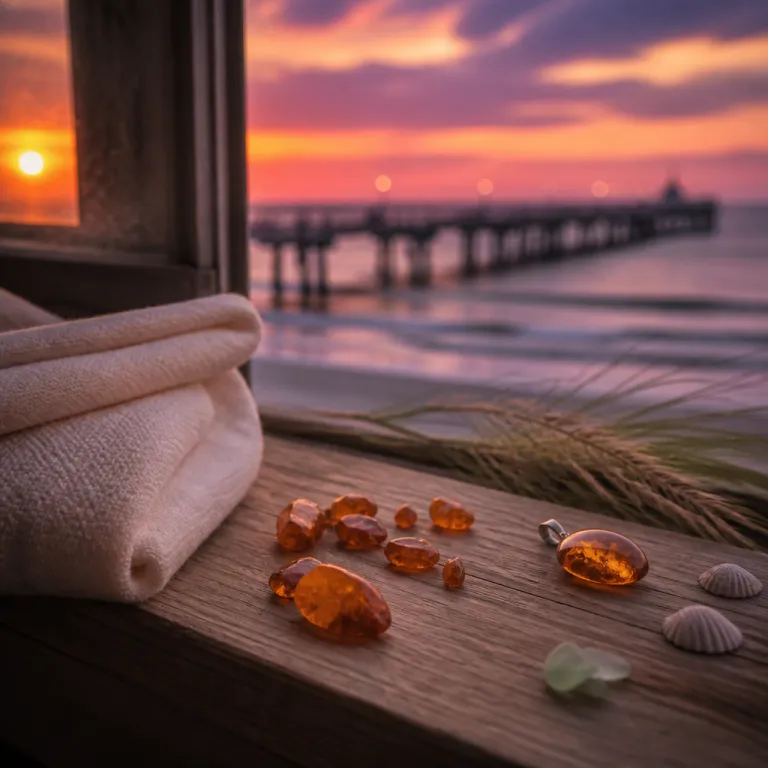
Palanga, Lithuania: where the Baltic Sea meets refined coastal living
Palanga in Lithuania is a refined resort city on the Baltic Sea, shaped by centuries of seaside culture and noble estates. This coastal resort town combines a long sandy beach, fragrant pine forests, and a compact city center that makes luxury stays effortless and walkable. For travelers comparing Palanga with other Baltic destinations, the town offers a quieter rhythm than many resort cities yet still feels vibrant in summer.
The municipality works actively with local businesses to position Palanga as a leading resort in Lithuania, and that focus shows in the quality of hotels and guest services. Palanga Municipality administers city affairs while the Tourism Information Center provides visitor information, which gives the resort a structured, guest oriented approach that luxury travelers appreciate. These actors support tourism development, cultural events, and infrastructure improvement, ensuring that every resort town experience feels polished, from the beach promenade to the landscaped park paths.
Palanga is known for its beaches and as a summer resort. Visit during summer for beach activities. Explore the Palanga Pier. Check out the Amber Museum. These verified insights from the Tourism Information Center align with what high end guests consistently report in their reviews, especially those who value a coastal setting with easy access to culture. When you compare this Lithuanian resort with larger Baltic Sea cities, the scale feels intimate yet the services, from spa suites to fine dining, match expectations for a premium destination.
Choosing the right luxury hotel in Palanga’s resort town center
Staying near the heart of the resort city places you between the main beach and the pedestrian artery, Basanavičiaus Street, where cafés and terraces stay lively on a warm summer evening. Many luxury properties in town cluster within a short walk of the Baltic shoreline, so you can step from your hotel to the sand in minutes. When comparing any hotel option, look for clear information on distance to the sea, spa facilities, and access to quiet inner courtyards or park views.
Guest reviews matter greatly in this compact market, because service standards and wellness offerings can vary between hotels that appear similar at first glance. Focus on good reviews that mention consistent housekeeping, attentive front desk teams, and well maintained spa areas, rather than only comments about décor or breakfast. In a Lithuanian resort setting where many guests arrive for just a long day or weekend, efficient check in, late check out options, and flexible breakfast times often separate a merely good stay from a truly premium experience.
Families and wellness travelers sometimes combine a stay in Palanga with a spa focused escape in the country’s southern region, using guides to Lithuania’s spa capital in Druskininkai for inspiration, such as this detailed family spa guide to Druskininkai. That pairing allows guests to experience both a Baltic Sea resort town and an inland spa city, creating a balanced itinerary across Lithuania. When reading reviews for both coastal and inland properties, compare mentions of thermal facilities, treatment menus, and whether spa access is free for hotel guests or charged separately.
Palanga’s Baltic shoreline: beach life, pier walks, and the iconic bridge
The main beach stretches for several kilometers along the Baltic Sea, with soft sand, gentle dunes, and a wide horizon that feels especially dramatic at sunset. This coastal strip defines Palanga as a resort city, drawing visitors who want both relaxed beach days and refined evenings in town. Even during peak summer, you can usually walk a little farther from the main access points to find quieter sections of the shoreline near the pine forest edge.
At the heart of seaside life stands the Palanga Pier, often called the bridge by visitors, extending into the Baltic and framing some of the town’s most photographed sunsets. The pier connects the urban resort atmosphere with the open sea, and many luxury hotels highlight this view in their marketing because it captures the essence of the town. A slow walk to the end of the pier at the end of the day, followed by dinner in the city center, has become a signature ritual for many returning guests who leave consistently good reviews.
Travelers planning a broader itinerary across Lithuania often combine time on this Baltic coast with days in Vilnius, using in depth destination features such as this analysis of Lithuania as Europe’s quiet coolcation destination to shape their route. That approach lets you experience the contrast between the capital city’s baroque streets and the relaxed coastal rhythm of the seaside resort. When you move between Vilnius and the coast, you appreciate how compact the country is, yet how different each resort setting can feel.
Cultural elegance: Amber Museum, Tiskevičiai Palace, and the botanical park
Beyond the beach, Palanga offers a cultural layer that elevates it above many Baltic resort cities, centered on the Amber Museum and its surrounding botanical park. The museum sits inside Tiskevičiai Palace, a neoclassical residence built by the noble Tiskevičiai family, and it presents amber not only as a gemstone but as a window into Baltic Sea history and trade. For guests staying in a luxury hotel, a private or small group visit to the Amber Museum can be a highlight of a refined coastal itinerary.
The botanical park around Tiskevičiai Palace functions as a landscaped city park, with winding paths, ponds, and carefully curated plantings that feel especially atmospheric in late summer and early autumn. Many visitors use the park as a calm counterpart to the more animated beach and Basanavičiaus Street, walking from their hotels through the pine scented air to the shoreline. Because the botanical park is free to enter, it offers a generous public space that balances the more commercial areas of the resort city.
For travelers comparing different Lithuanian resort destinations, the combination of the Amber Museum, Tiskevičiai Palace, and the surrounding botanical park makes stays on this stretch of the Baltic particularly appealing to culture oriented guests. Articles that examine why Lithuania appeals to coolcation travelers often highlight Palanga as a coastal anchor, while Vilnius and other cities provide urban contrast. When you read reviews that mention the amber museum or park, pay attention to comments about crowd levels and guided tours, as these details can shape whether your visit feels intimate or rushed.
Wellness and spa culture in Palanga’s coastal resort hotels
Wellness is central to the identity of this Lithuanian seaside town as a resort city, with many hotels integrating spa facilities, saunas, and pools into their core offering. The Baltic climate, with its fresh sea air and pine forests, naturally supports a spa focused lifestyle that appeals to guests seeking both rest and gentle activity. When evaluating any hotel option, examine whether spa access is included, which treatments are available, and how the spa connects to outdoor relaxation areas.
In this resort town, spa facilities range from compact wellness zones in smaller properties to expansive complexes in larger resort hotels, sometimes with multiple pools and thermal circuits. Reviews that mention attentive therapists, quiet relaxation rooms, and well maintained water areas usually signal a good spa experience, while repeated comments about crowding or limited time slots can be a warning sign. Because many guests visit Baltic properties here for only a day or two, advance reservations for treatments are advisable, especially in peak summer or during holiday weekends.
Some travelers design a wellness themed route across Lithuania’s resort destinations, combining seaside stays with forest retreats near Vilnius, such as those described in this guide to a forest retreat near Vilnius. That combination allows you to experience both the invigorating Baltic Sea air and the calm of inland woodlands, all within a relatively short distance. When reading good reviews for such itineraries, notice how guests describe sleep quality, noise levels, and access to nature, as these factors often matter more than purely visual luxury in a wellness context.
Planning your stay: from Vilnius to Palanga and around the resort city
Reaching this coastal resort is straightforward by road from Klaipėda and Šiauliai, and many travelers also connect from Vilnius by car or bus for a long weekend. The town’s compact layout means that once you arrive in the resort city, you can often move between your hotel, the beach, and the main attractions on foot or by bicycle. For guests who value convenience, choosing accommodation near both Basanavičiaus Street and the shoreline reduces the need for taxis or long walks.
When planning a stay in this resort town, consider how many days you want to balance beach time, cultural visits, and spa sessions, as coastal experiences can feel rushed if compressed into a single day. Many luxury travelers opt for three to five days on the Baltic, which allows at least one full day dedicated to the Amber Museum, Tiskevičiai Palace, and the botanical park, plus another focused on the pier and beach. If you are combining Palanga with Vilnius or other Lithuanian resort destinations, factor in travel time and potential traffic during peak summer weekends.
Reviews often highlight the benefit of arriving in town earlier in the day, so you can settle into your hotel, walk to the bridge for sunset, and enjoy dinner without feeling rushed. Look for good reviews that mention helpful front desk teams, flexible luggage storage, and clear information about local events, as these details can significantly improve your first day. Because the Tourism Information Center actively supports visitors with free maps and guidance, even first time guests usually find it easy to orient themselves in the resort environment.
How to read reviews and choose the best hotel Palanga for you
In a concentrated market like this Baltic resort, where many properties sit close to the sea, nuanced reading of reviews becomes essential for choosing the right hotel. Start by filtering for good reviews from guests with similar travel styles, such as couples seeking a quiet spa retreat, families wanting easy beach access, or solo travelers prioritizing wellness and walks in the park. Pay attention to how often reviewers mention noise from Basanavičiaus Street, distance to the beach, and the condition of spa facilities.
Look beyond star ratings to see whether comments about service, cleanliness, and breakfast quality remain consistent over time, especially in a resort city that experiences strong seasonal swings. In Baltic properties here, reviews that praise staff responsiveness during busy summer weekends carry particular weight, because they show how well a hotel manages peak demand. When several guests mention that spa access felt crowded or that the walk to the bridge took longer than expected, treat those remarks as practical data points rather than isolated complaints.
For travelers comparing multiple hotels, it can help to map each property’s location relative to the shoreline, the Amber Museum, Tiskevičiai Palace, and the botanical park, then cross reference that with guest feedback. A hotel that sits slightly farther from the main resort town center may offer a calmer atmosphere and better sleep, which many luxury travelers value more than immediate access to nightlife. By combining structured reading of reviews with a clear sense of your priorities, you can choose a stay that aligns with how you want to experience this Baltic resort destination.
Key figures for Palanga as a Baltic resort destination
- Palanga has a population of 18,551 people, according to recent data from Wikipedia, which helps explain why the resort town feels intimate yet still offers the services of a larger city.
- The town’s location on the Baltic Sea, at approximately 55.9167° N and 21.0667° E, positions this Lithuanian resort as one of the country’s primary coastal gateways for both domestic and international visitors.
- Tourism development, cultural events, and infrastructure improvement are official priorities for Palanga Municipality, which supports the continued growth of hotels and high quality resort services.
- The Tourism Information Center identifies the beach, Palanga Pier, and Amber Museum as the main attractions, reflecting how seaside experiences and cultural visits shape most itineraries.
- Palanga functions as a year round resort city, but visitor numbers peak in summer, when the beach, botanical park, and Basanavičiaus Street become the core of daily activity.
FAQ about Palanga, Lithuania for luxury and premium stays
What is Palanga known for among luxury travelers ?
Palanga is known for its long sandy beach on the Baltic Sea, the Palanga Pier, and the Amber Museum housed in Tiskevičiai Palace, all set within a refined resort city atmosphere. Luxury guests value the combination of coastal scenery, spa culture, and walkable access to both nature and dining. The town’s compact scale allows premium hotels to offer quick access to the shoreline and cultural sites.
How do you get from Vilnius to Palanga for a resort stay ?
Travelers typically reach this Baltic resort from Vilnius by car or intercity bus, with the journey crossing much of the country from the capital to the sea. Palanga is also accessible by road from Klaipėda and Šiauliai, which makes it a practical final stop on a wider Lithuania itinerary. Many visitors plan their route to arrive in the resort town early in the day, so they can enjoy the beach and bridge at sunset.
Which attractions should not be missed in Palanga ?
Essential highlights include the main beach, the Palanga Pier, the Amber Museum, and the surrounding botanical park that frames Tiskevičiai Palace. Basanavičiaus Street offers a lively promenade atmosphere, while quieter paths in the park provide a calm contrast. Together, these sites define Baltic stays here and shape most guests’ good reviews of the resort city.
Is Palanga suitable for a short luxury weekend or only longer stays ?
Palanga works well for both a short weekend and a longer holiday, thanks to its compact layout and concentration of attractions. In two or three days, you can enjoy the shoreline, visit the Amber Museum, walk through the botanical park, and experience the pier at sunset. Longer stays allow more time for spa treatments, day trips to other Lithuanian resort destinations, and unhurried exploration of the town.
How does Palanga compare with other Baltic coastal destinations ?
Compared with larger Baltic Sea cities, this Lithuanian resort feels more intimate, with a strong focus on wellness, nature, and cultural heritage. The town combines a long sandy beach, pine forests, and a historic palace museum complex, which gives it a distinctive character among Baltic resorts. For travelers who value both good reviews and a calm atmosphere, stays here often feel more personal than those in bigger resort cities.
Trusted sources for further information include the official Palanga Municipality website, the Palanga Tourism Information Center, and national tourism resources from Lithuania Travel.